We wrote this article because we’ve seen firsthand how Flutter helps startups solve these challenges. With a single codebase for iOS, Android, and web, Flutter app development shortens development cycles, reduces costs, and keeps the stack lean. For early-stage teams, that level of efficiency makes a real difference.
Over the past few years, Flutter has grown into a stable, production-ready framework. In our work, we’ve not only built new MVPs and full-scale apps from scratch, but we’ve also seen more and more teams coming to us with existing Flutter projects. A lot of these teams need help with maintenance, ongoing support, and further scale. That shift says a lot - Flutter isn’t just a trend anymore. It’s a popular choice for building and growing modern products.
As a certified Flutter agency, we’ve helped startups launch faster and scale smarter. This article outlines why Flutter remains a strong choice in 2026 and what to look for when choosing developers or a partner agency.
Why Flutter is Good for Startups from a Business Perspective
For most startups, mobile isn’t just one channel, it’s the foundation. Whether it’s logistics, fintech, healthtech, or consumer services, mobile apps are often the first and most important way users interact with a product. That’s why early-stage teams usually go mobile-first when building their MVPs or launching version one.
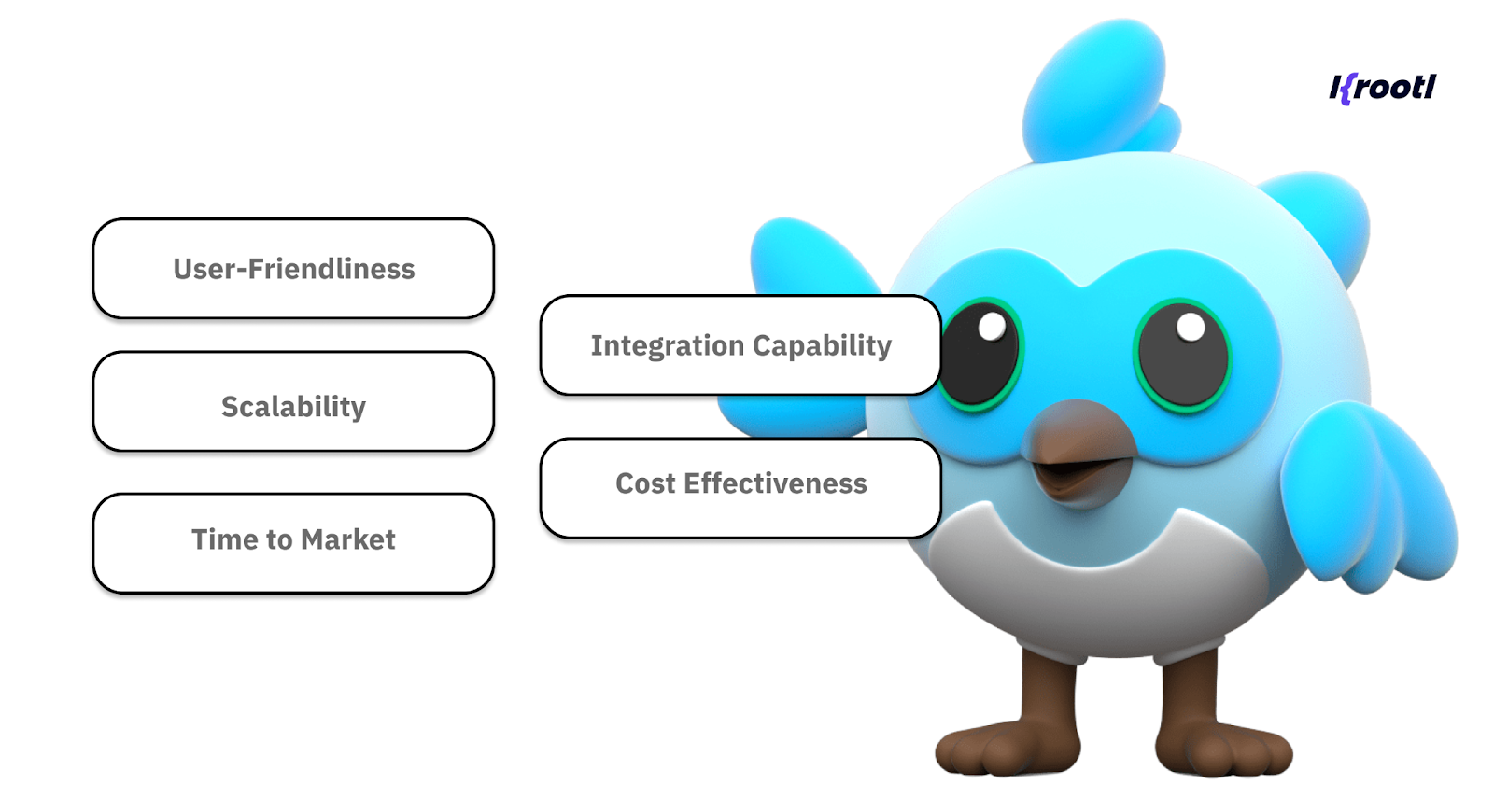
Historically, teams faced a tough choice: build separate native apps for iOS and Android, or use a cross-platform tool to save time.
Check our case study on how we built a wearable App with Flutter
Native development offered performance and deep platform integration, but it also meant more time, higher costs, and larger teams, none of which align well with early-stage realities. Cross-platform tools, on the other hand, came with compromises in quality and long-term maintainability.
That used to be the case. Over the last five years, Flutter has shifted the landscape. Today, it delivers native-like performance, a shared UI and logic layer across platforms, and the kind of development speed startups need to stay competitive.
This isn’t just hype, it’s backed by data.
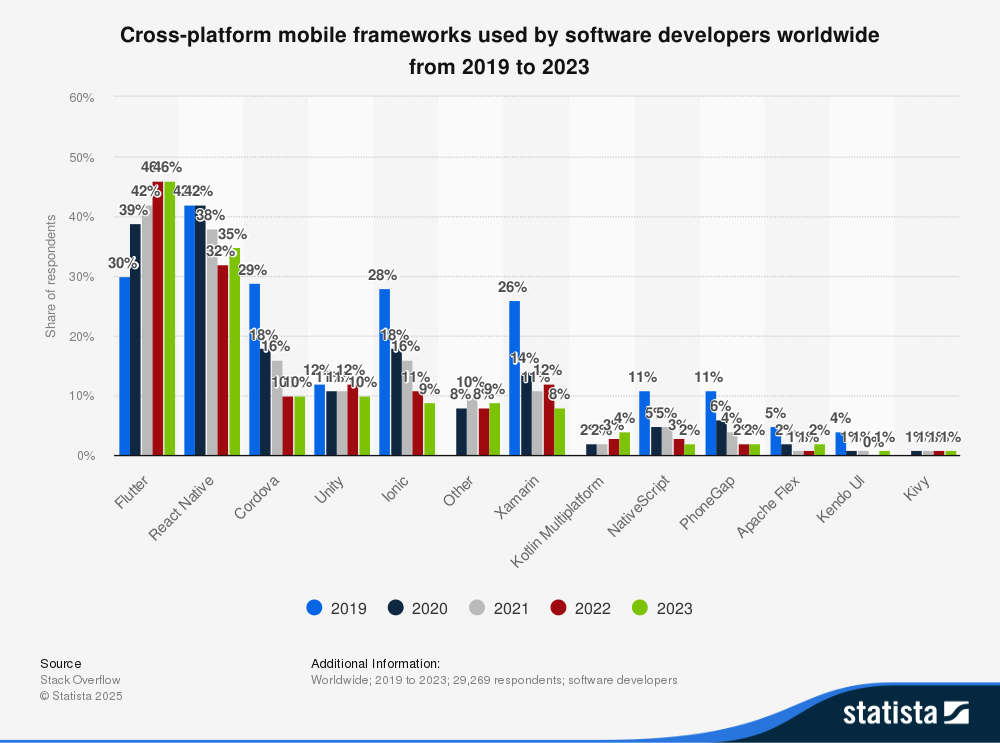
As of 2023, according to a Statista report, Flutter was used by 46% of developers worldwide, making it the most adopted cross-platform mobile framework. That kind of adoption matters since it means easier hiring, stronger community support, and a safer long-term bet for early-stage products.
From a business standpoint, Flutter solves many of the pain points startups face:
- Faster time to market. There’s one feature that always comes up first when we talk about Flutter: Hot reload. It lets developers see code changes instantly—no rebuilding, no waiting. What does that mean in practice? Faster prototyping, quicker bug fixes, and shorter release cycles. It helps teams move fast and adjust on the fly.
- Shorter dev cycles. One of Flutter’s biggest advantages is that it uses a single codebase for both iOS and Android. No need to build two separate apps or manage two separate teams. It cuts down on duplication, speeds up delivery, and helps everyone stay focused on one shared product.
- Shared UI and business logic. With Flutter, teams can reuse everything from UI components to business logic and state management across platforms. That kind of consistency means fewer bugs, a more polished user experience, and a cleaner, more maintainable codebase.
- Performance that feels native. Flutter compiles directly to native ARM code and renders everything through its own high-performance engine. The result - fast load times, smooth animations, and interfaces that look and feel right at home on any device, even when running on limited startup budgets or tight timelines.
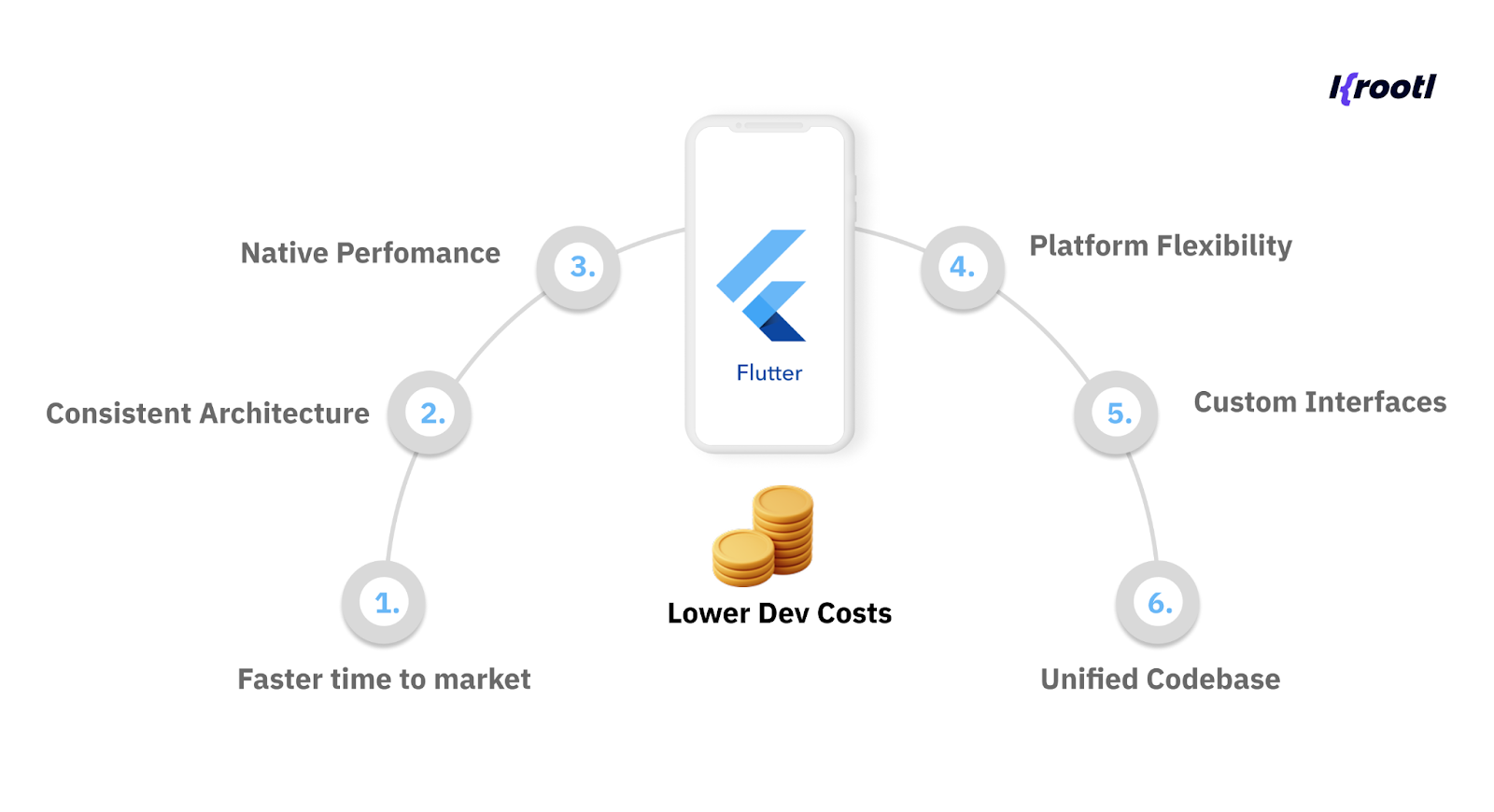
- Room to grow beyond mobile. Many early-stage products start with mobile, especially when user interaction is central. Say you start with a mobile app and later need a web version, Flutter makes that possible with minimal overhead, opening up new channels without added complexity.
- Fully custom UIs. Flutter isn’t locked into platform-specific components. Teams can design unique, branded, or animated interfaces without relying on external tools or plugins—making it easier to stand out from day one.
In other words, Flutter comes with everything teams need out of the box: hot reload, native performance, and a rich widget library. From a cost, timeline, and tech flexibility perspective, Flutter app development makes sense for startups planning for growth from day one.
Scalability and Maintainability with Flutter
Launching quickly is essential, but what happens after launch matters just as much. Startups evolve fast. Products grow, features change, teams expand. A scalable framework is what keeps that evolution smooth.
Flutter app development is well-suited for long-term product growth. A single codebase makes feature additions and updates easier to manage across platforms. Teams avoid duplication and reduce time spent resolving inconsistencies between iOS and Android versions.
As a Flutter agency, we’ve been brought in to support and refactor existing apps built with Flutter. These aren’t MVPs anymore, they’re products moving into growth and scale. Many of these products started small, just a fast launch. But now they’re growing fast, and Flutter has proven to be a stable, maintainable foundation.
It also makes team scaling easier. With a shared architecture and one tech stack, onboarding is faster, collaboration is simpler, and developers can move forward without getting stuck.
Built to Scale With the Business
Products need to grow with user demand, adapt to shifting priorities, and handle complexity without slowing down. This is where Flutter app development brings compounding value, simplifying growth without added tech overhead. Its architecture is lean enough for MVPs, but stable and flexible enough to support larger teams, more users, or expanded functionality.
We’ve seen teams start with a mobile-first app and gradually add dashboards, partner tools, or companion web apps, all without switching stacks or re-architecting the backend. With Flutter, scaling happens naturally as the product evolves.
Why Flutter Scales Well
- One codebase across platforms. No need to duplicate effort across iOS and Android when adding features or rolling out updates.
- Simplified updates. One change reflects across all platforms, reducing the chance of inconsistencies or delays.
- Lower maintenance costs. Fewer moving parts, fewer bugs, and one shared logic layer means smaller teams can do more.
- Flexible architecture. Flutter supports clean, modular code, making it easier to extend and adapt over time.
Friendly With the Tools Startups Already Use
Flutter integrates smoothly with popular tools used by modern startups. Firebase, Stripe, Supabase, Google Pay, and others all offer plug-and-play compatibility. The official Flutter Google Integrations page highlights how native that support can be.
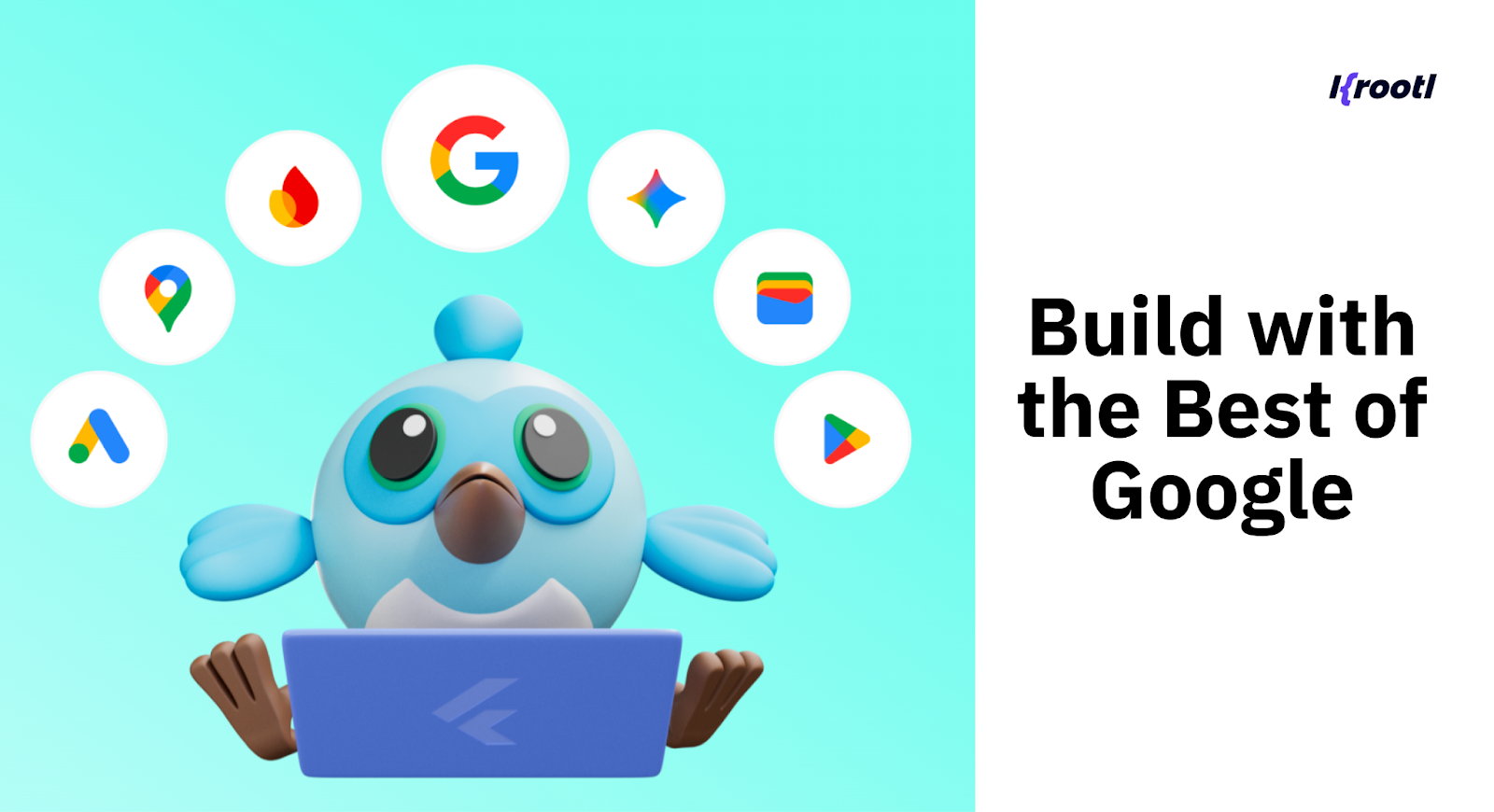
That level of compatibility means fewer integration headaches and more time focused on product logic. For many of the startups we’ve worked with as a Flutter agency, this flexibility made it easier to launch quickly without locking themselves into a rigid or expensive backend setup.
Part of a Growing Ecosystem
Everything right out of the box
It’s fair to say that Flutter isn’t just a UI toolkit, it’s a complete app development stack. It includes a fast rendering engine, pre-built UI libraries, built-in testing tools, and seamless integration with services like Firebase, Google Maps, and Google Pay.
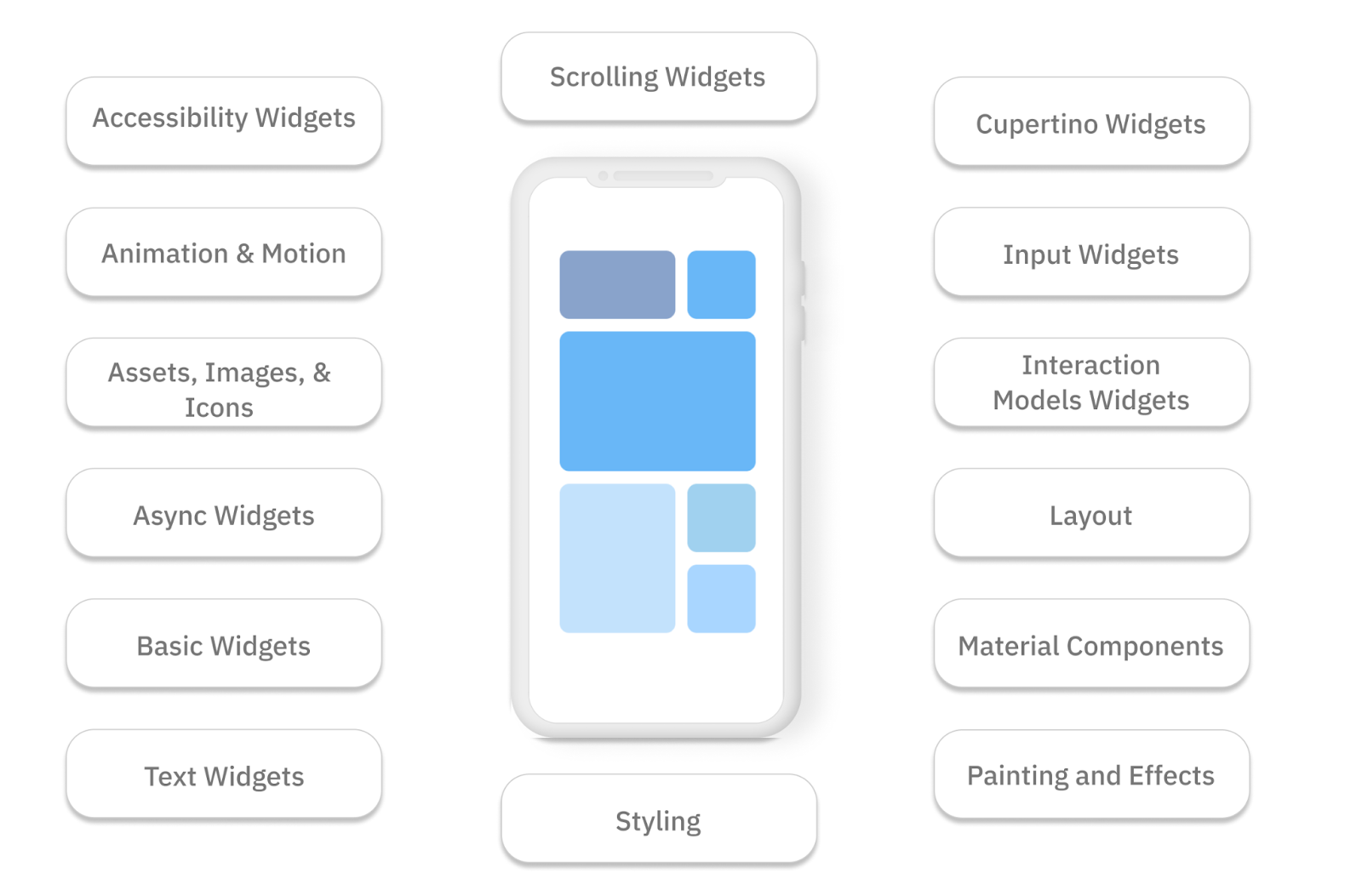
Rich, growing package ecosystem
The Flutter ecosystem includes many open-source packages, from payments and state management to analytics, giving teams faster ways to develop apps with Flutter.
Instead of building from scratch, teams can plug in proven tools and focus on what makes their app unique.
Backed by Google and built for growth
Google’s continued investment in Flutter and Dart means startups aren’t betting on short-term tech. Regular releases, improving performance, and cross-platform innovation all point to a framework designed for the long haul.
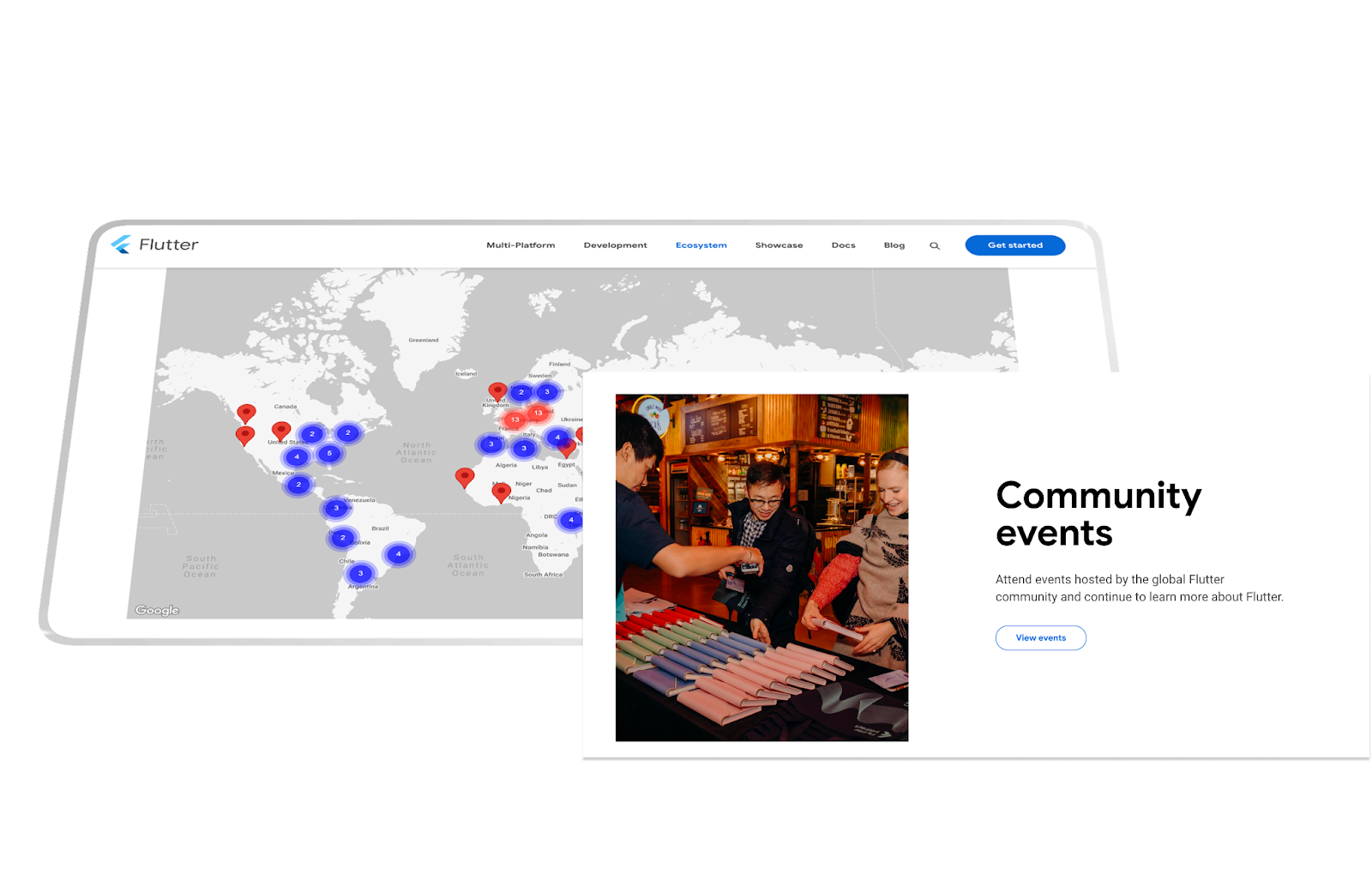
A place where things get built and shared
Like Ruby on Rails in its prime, Flutter has built one of the most collaborative, responsive dev communities today. From GitHub and Stack Overflow to meetups, Discord servers, and contributors around the world.
Flutter’s open-source culture encourages collaboration, whether that’s contributing new libraries, improving documentation, or supporting newcomers through forums and community events. The Flutter community hub brings these efforts together, highlighting events, resources, and ways to stay connected.
Who's Using Flutter: From Startups to Global Brands
You can see Flutter’s impact in the kinds of teams choosing it - startups trying to move fast, growing tech companies, and big-name enterprises. Different goals, same reason: it works across stages and scales.
The benefits we’ve covered have led to the wide adoption of Flutter across industries like retail, fintech, logistics, wellness, education, etc. Companies are choosing Flutter because it allows them to build fast, maintain long-term, and scale when needed
- Retail: loyalty programs, online stores, product catalogs
- Banking: personal finance, neobanking, investments
- Supply chain & logistics: inventory tracking, delivery, warehouse tools
- Wellness: meditation, mental health, habit tracking
- Foodtech: delivery, farm-to-table, nutrition planning
- Enterprise apps: HR systems, ERPs, internal operations
Startups Launching and Scaling With Flutter
Flutter app development makes it possible to go from concept to launch quickly, without cutting corners on quality.
Headspace, Reflectly, and Superlist are all examples of startups that chose to develop apps with Flutter right from the beginning. The reasons are clear: one codebase, fast iteration, and a unified user experience on both iOS and Android.
Even fintech leaders like Nubank use Flutter to accelerate feature delivery and improve consistency in their mobile banking apps. We’ve seen similar results in our own work like in this personal finance platform we built using Flutter, where a unified codebase helped the client cut dev time and simplify long-term maintenance.
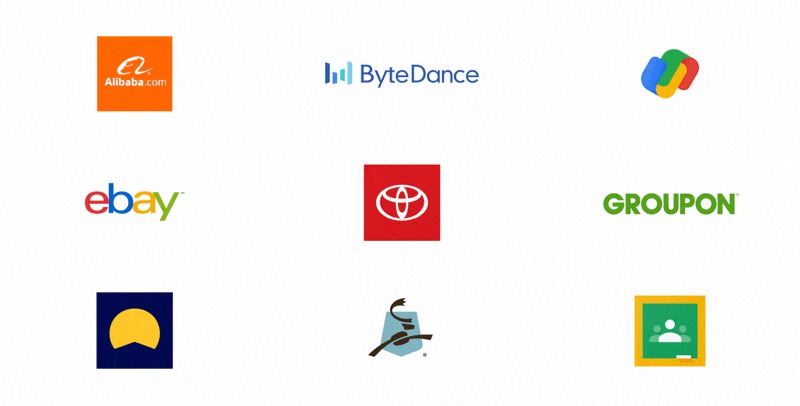
Big Brands and Enterprise Adoption
Flutter isn’t just powering early-stage apps. It’s being used in production by companies like Google, BMW, Toyota, eBay, Tencent, and Alibaba. Google uses Flutter for multiple core products, including Google Ads and Google Pay, while Whirlpool reported cutting development costs by 50% after switching to Flutter. Virgin Money used it to unify development across teams. We explore this further in our article: Why Flutter Is Good for Your Business.
Choosing the Right Flutter Agency or Development Partner
Finding the right team is just as important as choosing the right tech. Flutter app development delivers speed, flexibility, and long-term maintainability - but only with the right expertise behind it. Startups especially need teams that move fast, stay lean, and understand what early-stage growth demands.
When looking to hire Flutter developers or partner with a Flutter agency, here’s what to consider:
- Proven Flutter expertise. Seek teams that work with Flutter daily - not just mobile development generally.
- Startup-minded approach. Early-stage products benefit from lean planning, clear priorities, and fast feedback loops.
- Integration experience. The best partners know how to connect Flutter apps with Firebase, Stripe, analytics, and backend APIs.
- Certified and recognized. Agencies listed in the official Flutter consultants directory are vetted by Google for quality and experience.
- Post-launch support. A solid partner offers help beyond delivery - iteration, maintenance, and scaling included.
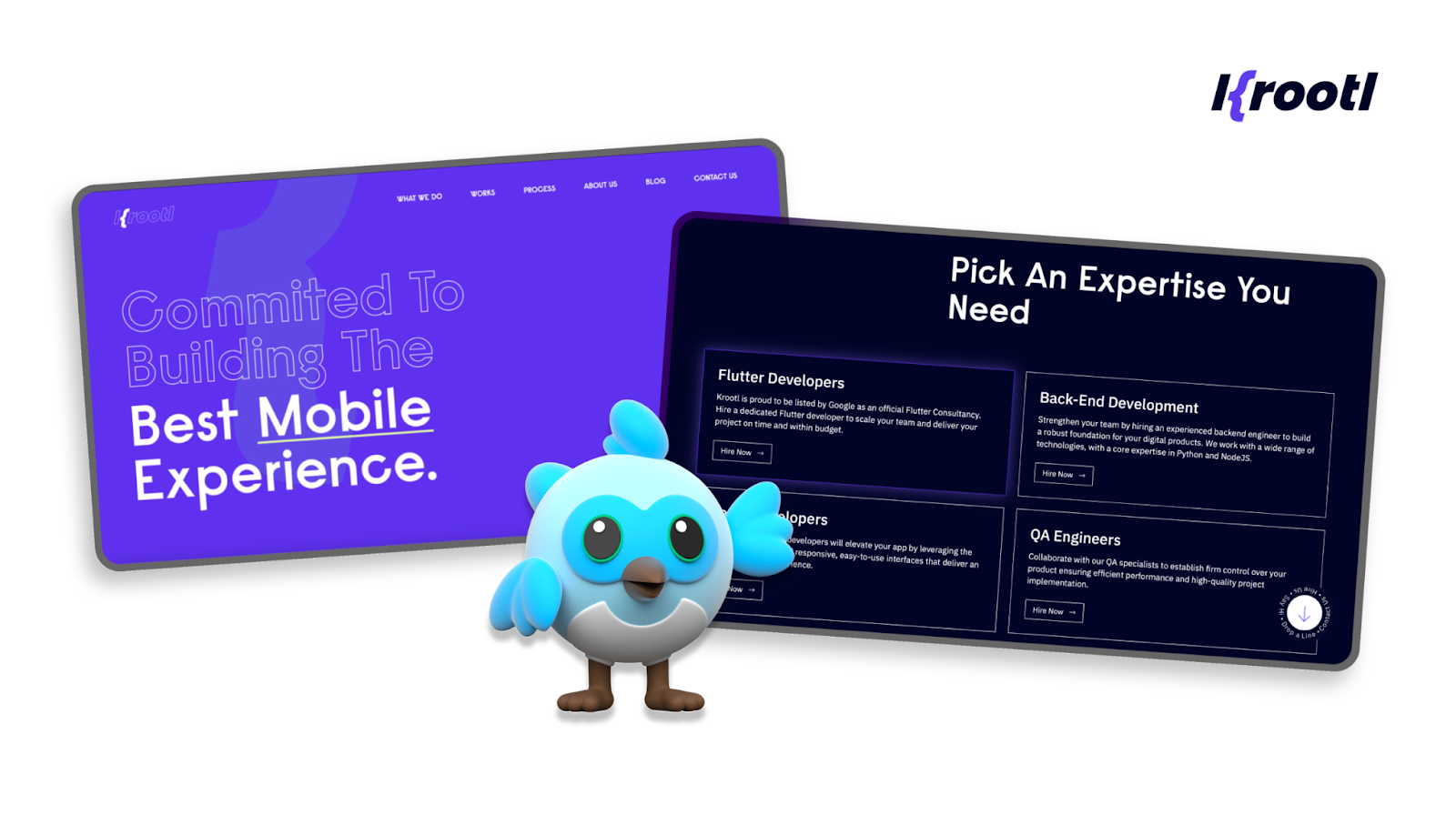
As a certified Flutter development provider featured on Flutter’s official site, Krootl helps startups design, launch, and scale products with confidence.
Want a more detailed breakdown of how to choose developers? Check out our guide: How to Hire a Flutter Developer.
Wrap up
Flutter has come a long way, from a promising cross-platform tool to a mature, production-ready framework trusted by startups and global companies alike. For teams working under pressure to ship fast, stay lean, and plan for growth, Flutter offers a rare balance of speed, flexibility, and long-term maintainability.
From shared codebases and rapid iteration to strong community support and seamless integration with Google’s ecosystem, Flutter app development makes business and technical sense in 2026. As a Flutter app development team, Krootl continues to support early-stage companies from MVP to post-launch scale.
Ready to build your next product with Flutter? Drop us a line