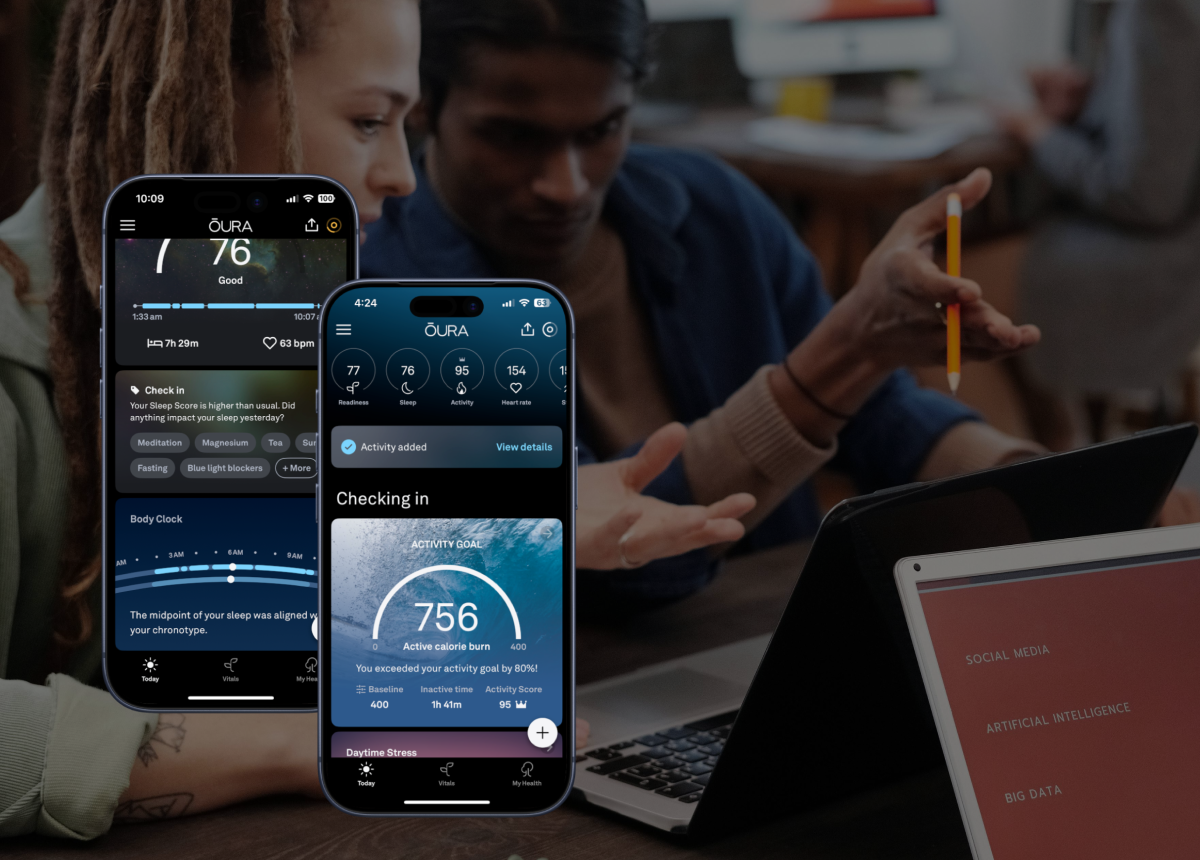
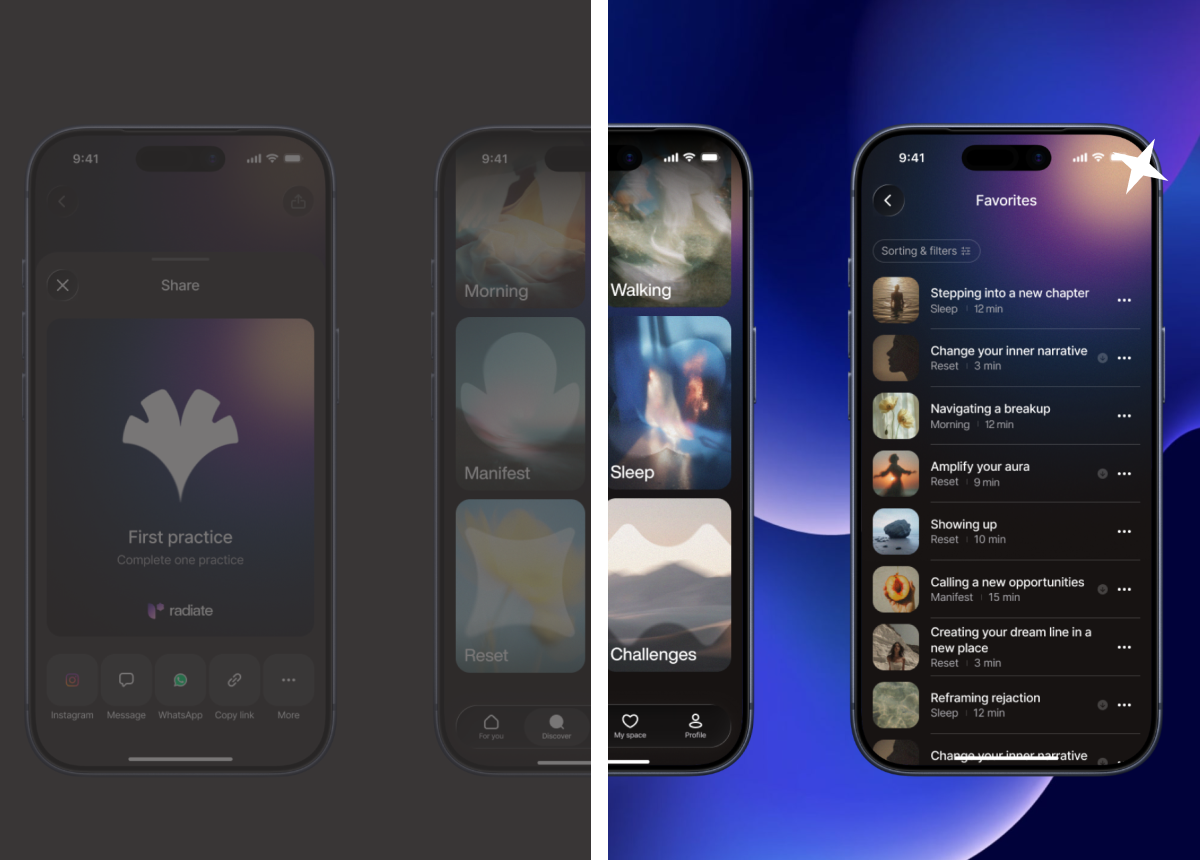
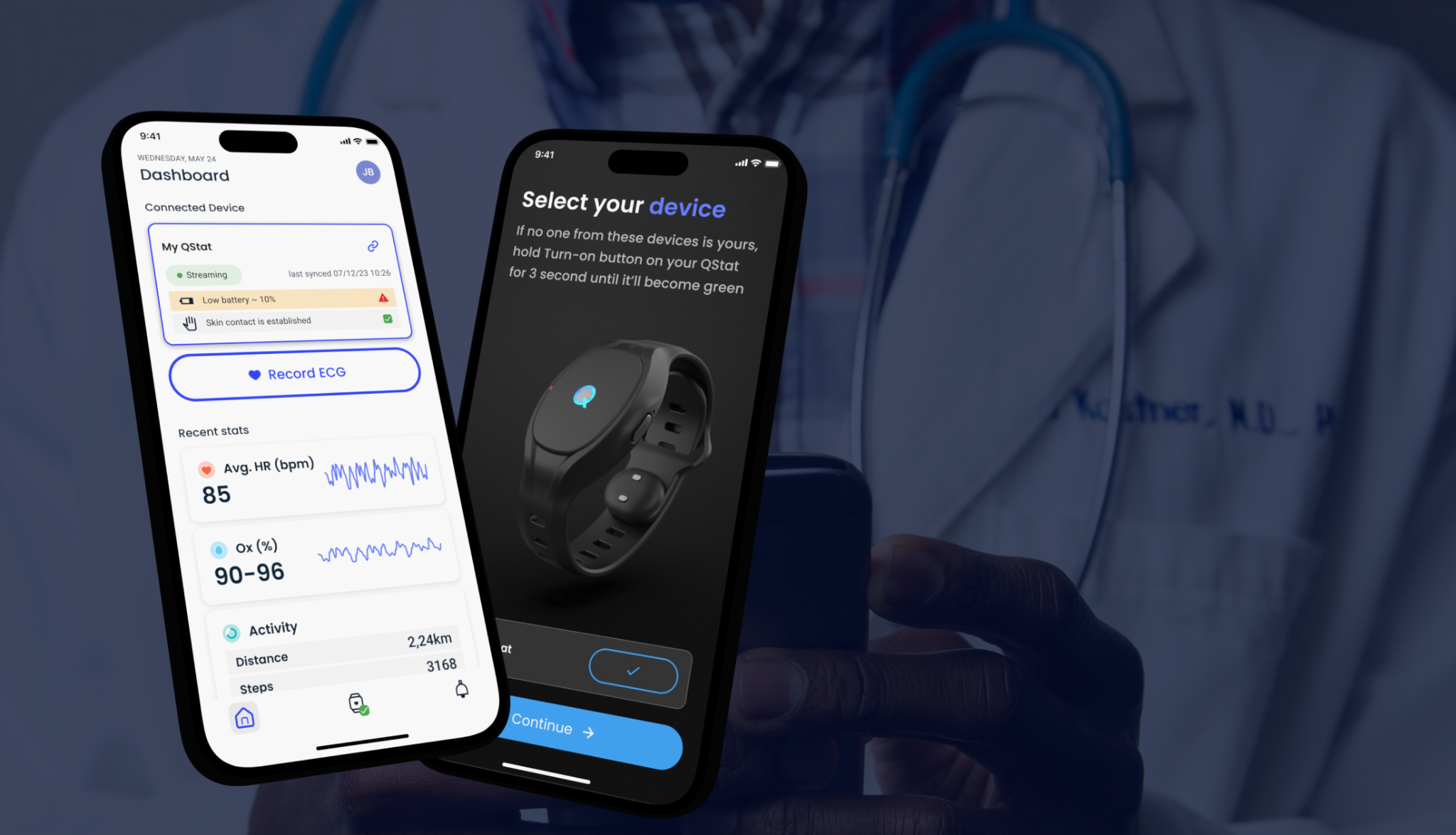
We do love Flutter, and when it’s the right fit, we’re always happy to recommend it to our customers.
Flutter uses a single, high-quality codebase that runs consistently across iOS and Android, without compromising performance or user experience. This approach has become a well-established standard in cross-platform app development and is widely used in production-ready applications.
From a business perspective, Flutter app development is about speed, focus, and predictability. Instead of splitting efforts between multiple native codebases, teams can iterate faster, reduce overhead, and keep product development more manageable, especially in the early and growth stages.
Over time, Flutter has evolved into a mature ecosystem capable of supporting complex use cases, including delivery and courier apps, financial platforms, and internal business tools. When implemented correctly, it provides a solid foundation for building scalable, long-term products.
We’ve covered the strategic side of this decision in more detail in our article on why Flutter is good for business. Once the technology choice is clear, the next question becomes purely practical: How much does it actually cost to develop a Flutter app in 2026?
To answer that, let’s break down how Flutter app development costs are structured and what factors typically influence the final budget.
Understanding Flutter App Development Cost Structure
Before talking about numbers, it’s important to understand what actually goes into Flutter app development. The cost of a Flutter app is not just the result of writing code; it reflects the full product development process from idea to release.
At a high level, Flutter app development usually consists of several core stages. Each stage contributes to the final budget and directly affects timelines, quality, and scalability.
What Is Flutter App Development
Flutter app development is the process of designing, building, testing, and releasing a mobile application using Flutter as the primary framework. While Flutter allows teams to share a single codebase across iOS and Android, it does not eliminate the need for proper product planning, backend development, quality assurance, or release preparation.
In practice, a Flutter app is typically part of a broader system that includes backend services, third-party integrations, cloud infrastructure, and administrative tools. All of these elements influence the overall cost.
Key Stages of Flutter App Development
Most Flutter projects follow a similar structure:
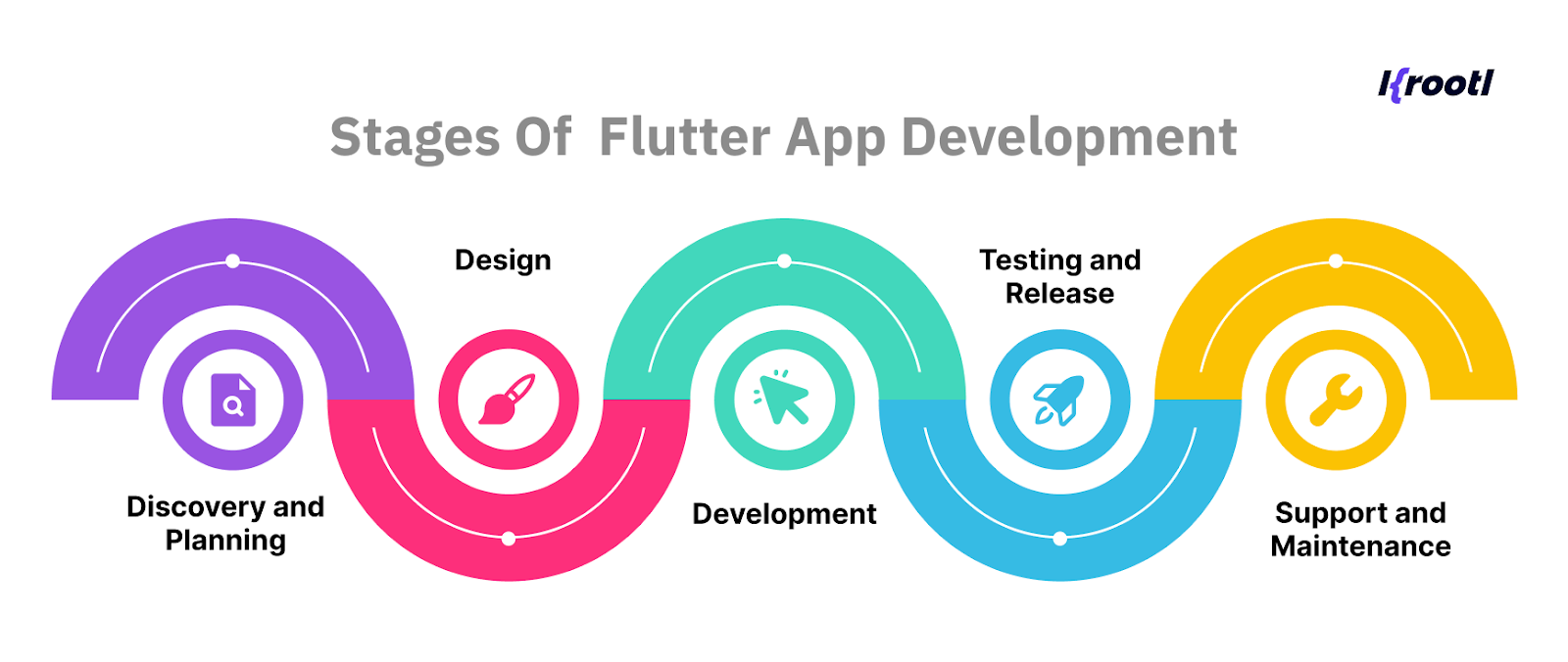
- Discovery
Defining product goals, key features, user roles, and technical constraints. This phase helps align expectations early and reduces the risk of scope creep and rework later. - Design
Creating user flows, wireframes, and visual design. Design depth — from basic layouts to a full design system — directly affects both development effort and overall cost. - Development (Frontend & Backend)
Building the Flutter mobile app and its supporting backend. This includes screens, business logic, state management, APIs, databases, and integrations with third-party services. - Testing & Release
Validating functionality across devices and platforms, fixing issues, and preparing the app for App Store and Google Play release. - Maintenance
Supporting the app after launch through updates, improvements, compatibility adjustments, and ongoing enhancements as the product evolves.
Not every project invests equally in each stage, but skipping or underestimating any of them often leads to higher costs later.
With this structure in mind, it becomes easier to understand why Flutter app development costs can vary significantly from one project to another.
Next, let’s look at the typical cost ranges from small MVPs to large and enterprise-grade Flutter applications.
Flutter App Cost Snapshot (Small to Super App)
Flutter app development costs vary widely depending on the product scope, complexity, and quality expectations. To make this easier to navigate, let’s look at typical cost ranges based on common project sizes we see in real-world Flutter app development.
The estimates below reflect end-to-end development: planning, design, Flutter app development, backend, QA, and release.
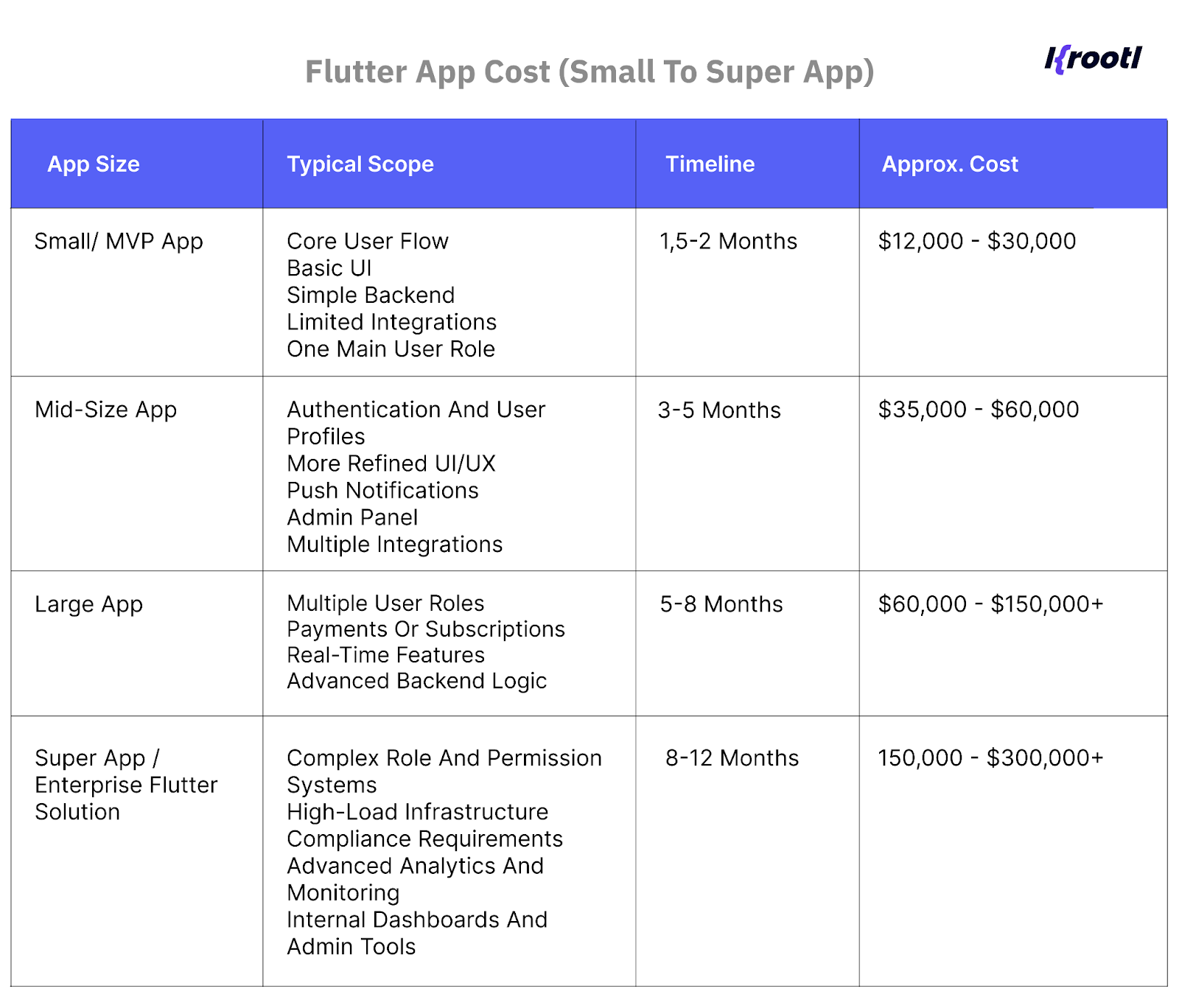
Small / MVP Flutter App
A small Flutter app is usually built to validate an idea or launch a first version of a product.
Typical scope includes:
- Core user flow
- Basic UI
- Simple backend
- Limited integrations
- One main user role
This type of app focuses on speed and learning rather than completeness.
Mid-Size (Market-Ready Flutter App)
A market-ready app is designed for real users and ongoing usage.
Typical scope includes:
- Authentication and user profiles
- More refined UI/UX
- Push notifications
- Admin panel
- Multiple integrations
This is the most common stage for startups preparing for growth.
Large (Complex Flutter App)
Large Flutter apps support more complex business logic and user scenarios.
Typical scope includes:
- Multiple user roles
- Payments or subscriptions
- Real-time features
- Advanced backend logic
- Higher QA requirements
These apps are usually built with scalability in mind from day one.
Super App or Enterprise Flutter Solution
Enterprise-grade Flutter applications are built for scale, security, and long-term maintenance.
Typical scope includes:
- Complex role and permission systems
- High-load infrastructure
- Compliance requirements
- Advanced analytics and monitoring
- Internal dashboards and admin tools
At this level, architecture and process matter as much as features.
These ranges provide a general reference point, but they don’t tell the full story. The same budget can lead to very different outcomes depending on the app type and its specific requirements.
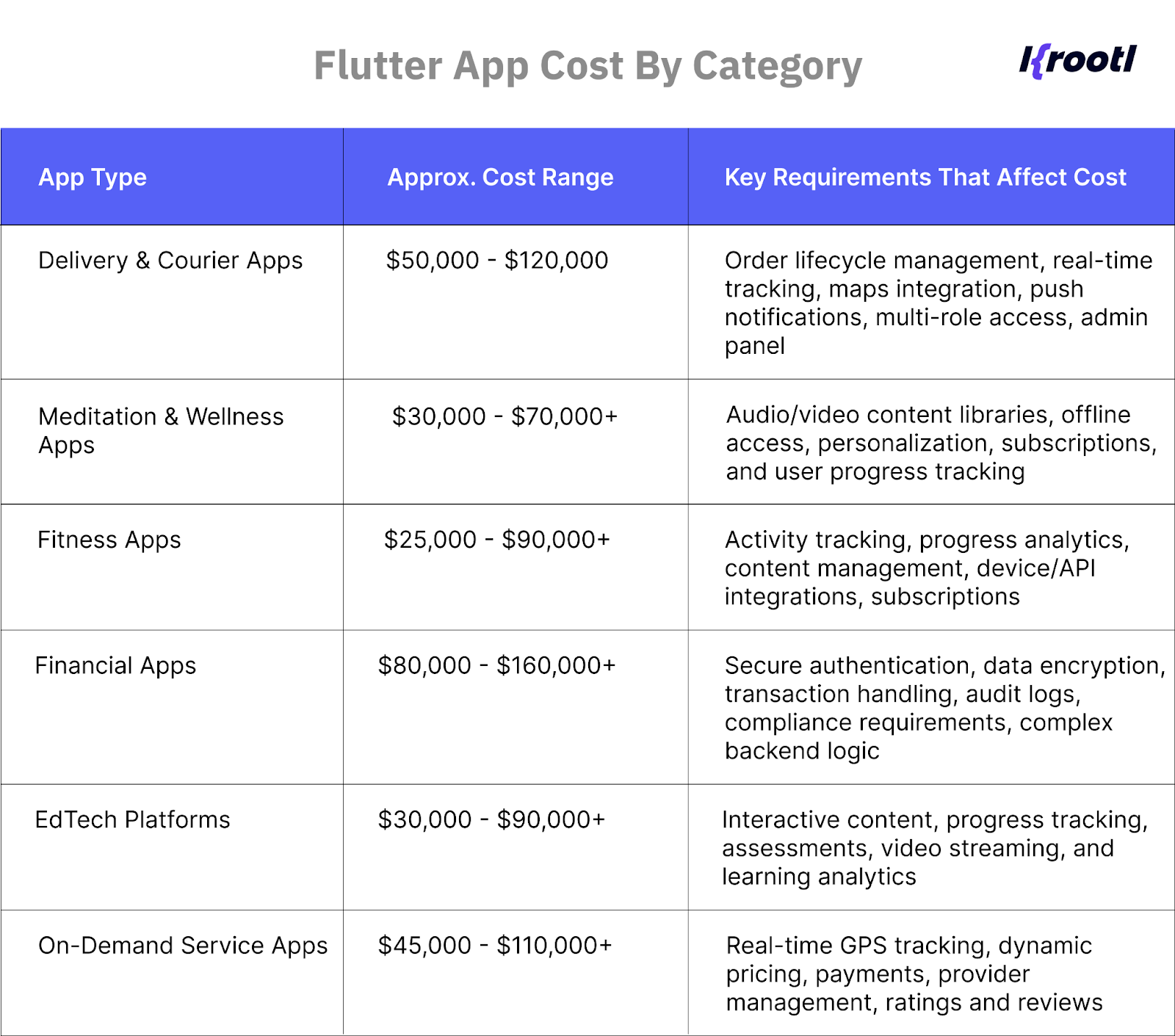
App Category-Specific Requirements (With Approximate Cost Ranges)
Different types of apps come with different levels of complexity, which naturally affects Flutter app development costs. The numbers below are meant to give a general sense of scale, not exact budgets.
Every project is a bit different - features, integrations, timelines, and quality expectations all play a role, so these ranges should be read as orientation, not a price list.
How to Use These Numbers
- Think of them as starting points, not final quotes.
- Apps with more real-time logic, user roles, or compliance needs tend to sit higher in the range.
- Simpler MVPs often land closer to the lower end, especially in early stages.
For example, in financial products, additional effort often goes into data integrity, permissions, and long-term maintainability. This is reflected in the higher ranges shown above and can be seen in practice in our Personal Finance Management System case study, where Flutter was used to support structured data flows and security-focused architecture.
Overall, these numbers are best used to understand the order of numbers, not to define a fixed budget. Final cost always depends on how requirements are scoped and how complexity is distributed across the product.
What Drives Flutter App Development Costs
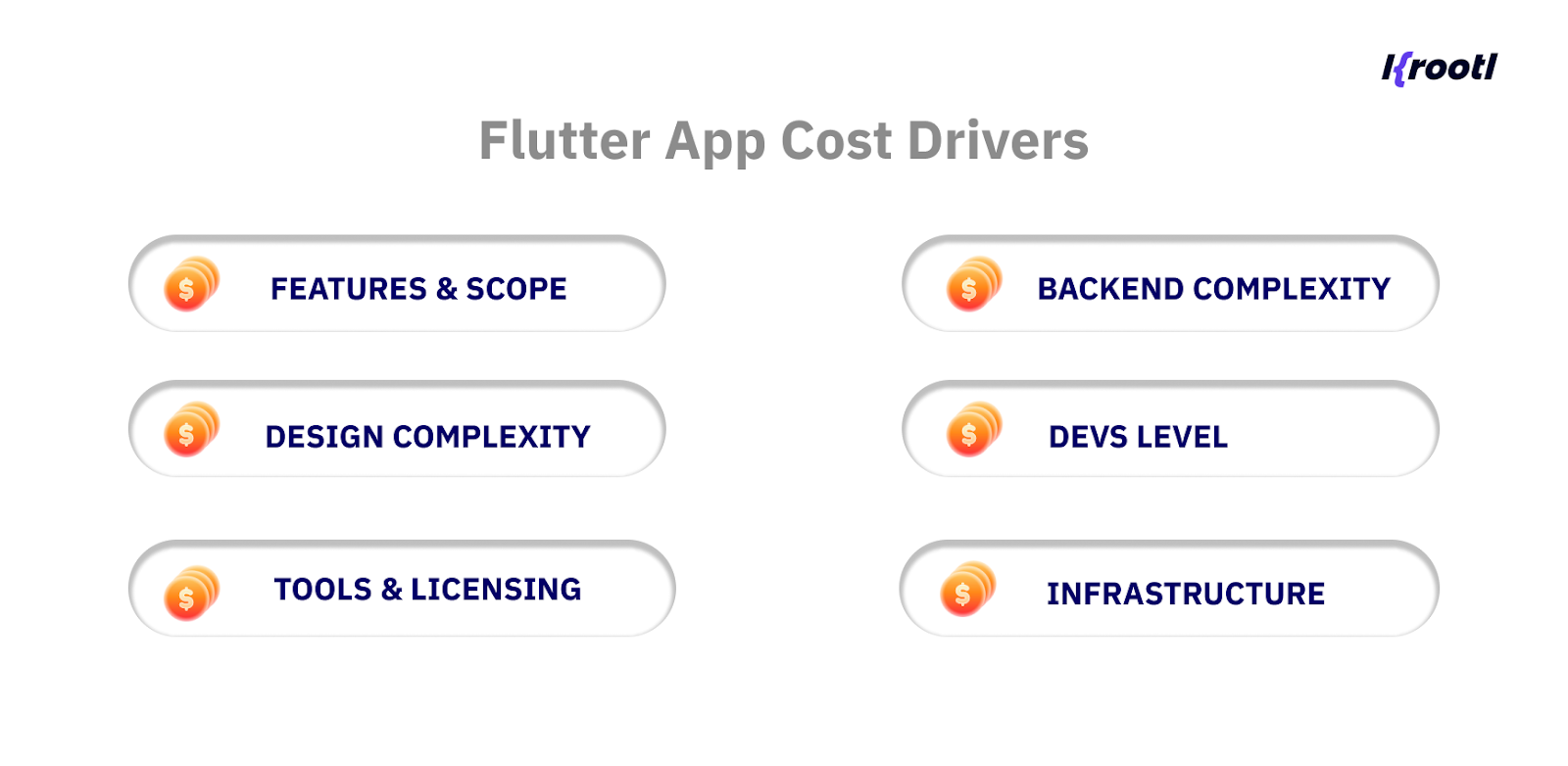
Even within the same app category, Flutter app development costs can vary significantly. The difference usually comes down to a few core factors that influence scope, effort, and long-term complexity.
Understanding these drivers helps explain why two Flutter apps with similar ideas can end up with very different budgets.
What Drives Flutter App Development Costs
Even when two products use the same technology, Flutter app development costs can vary significantly. The reason is simple: cost is shaped not by Flutter itself, but by what the app needs to do, how it needs to look, and how it is expected to scale over time.
Below are the core factors that most directly influence the final budget of a Flutter app.
Feature Complexity and Scope
Feature scope is one of the strongest drivers of Flutter app development cost.
A basic Flutter app may include a limited set of core features, such as user registration, a few screens, and simple content display. These apps rely on straightforward logic and minimal coordination between systems, which keeps development time and cost relatively predictable.
As the scope grows, complexity increases quickly. Adding multiple user roles, interconnected workflows, real-time updates, payments, or advanced permissions introduces more screens, more backend logic, and more edge cases. Features rarely exist in isolation, each new capability often affects several parts of the app.
In practice, scope-related costs are driven by:
- the number of user roles and permission levels
- interdependencies between features
- real-time or event-based logic
- integrations with external systems or services
This is why two Flutter apps with similar timelines can end up with very different budgets.
UI/UX Design Complexity
Design has a direct and often underestimated impact on Flutter app development costs.
Apps built with standard UI components and simple layouts are faster to design and implement. When the goal is to validate functionality or launch an MVP, design effort can remain focused and efficient.
More mature products often require deeper design investment. Custom design systems, non-linear user flows, smooth animations, and well-thought-out micro-interactions all add effort, not only in design, but also during Flutter implementation and cross-device validation.
UI/UX complexity typically increases cost when:
- custom visual identity or design system is required
- user flows differ significantly between user types
- animations and transitions are part of the experience
- accessibility and responsiveness must be carefully handled
Good design often reduces long-term costs by improving usability and lowering rework, but it does require upfront investment.
Backend Architecture and Infrastructure
While Flutter handles the client side of an app, a large part of the development complexity and cost usually lives in the backend.
The backend is responsible for data storage, authentication, business logic, integrations, security, and scalability. Even simple Flutter apps rely on backend services, and as a product grows, backend architecture becomes one of the main cost drivers.
Backend complexity typically falls into a few broad levels:
- Basic backend: support authentication, simple databases, and core APIs
- Intermediate backend: introduce role-based access, structured data flows, caching, and integrations
- Advanced backend: support real-time data, complex permissions, advanced security, and scalable architectures
Early backend decisions affect not only development cost, but also long-term stability and the ability to scale without major refactoring.
Cloud Infrastructure and Scalability
Most Flutter apps rely on cloud infrastructure, and these choices influence both setup effort and ongoing costs.
Common considerations include hosting environments, databases, storage, monitoring, backups, and load handling. Some apps benefit from serverless or managed services, especially when usage is unpredictable, while others require more robust setups to support real-time features or higher traffic.
There is no universal infrastructure setup , the right choice depends on how the app is expected to be used and how quickly it needs to scale.
Seniority Level of Development Resources
The seniority and structure of the development team have a direct impact on Flutter app development cost.
Junior developers usually come with lower rates, but they often require closer supervision and longer timelines - especially when working on complex features or architectural decisions. More senior Flutter engineers tend to move faster, make better technical trade-offs early, and reduce the risk of costly changes later in the project.
The same logic applies to team setup. Freelancers can work well for small or experimental tasks, while more complex Flutter apps typically benefit from a structured team with clear roles, shared standards, and ownership. If you’re weighing these options, our guide on how to hire a Flutter developer breaks down what to look for at different stages of product growth.
In practice, Flutter app development cost is influenced not only by hourly rates but by how efficiently a team can turn a defined scope into a stable, scalable product.
Tools, APIs, and Licensing
Flutter itself is free for commercial use, but most real-world Flutter apps rely on additional tools and services.
Third-party APIs are commonly used for payments, maps, analytics, messaging, authentication, or media processing. These services accelerate development, but they also introduce integration effort and, in some cases, usage-based costs as the app grows.
Flutter apps are typically built using professional development environments such as Android Studio or Visual Studio Code. While these tools rarely add direct licensing costs, the surrounding ecosystem of plugins, SDKs, and external services contributes to the overall scope and should be considered during estimation.
Taken together, these factors explain why Flutter app development costs vary so widely. Once feature scope, design depth, backend needs, infrastructure expectations, team seniority, and tooling are clear, it becomes much easier to estimate timelines and budgets realistically.
Flutter Developer Rates and Team Setup
Once the scope and technical requirements are clear, the Flutter app development cost is largely shaped by how the team is structured and which roles are involved.
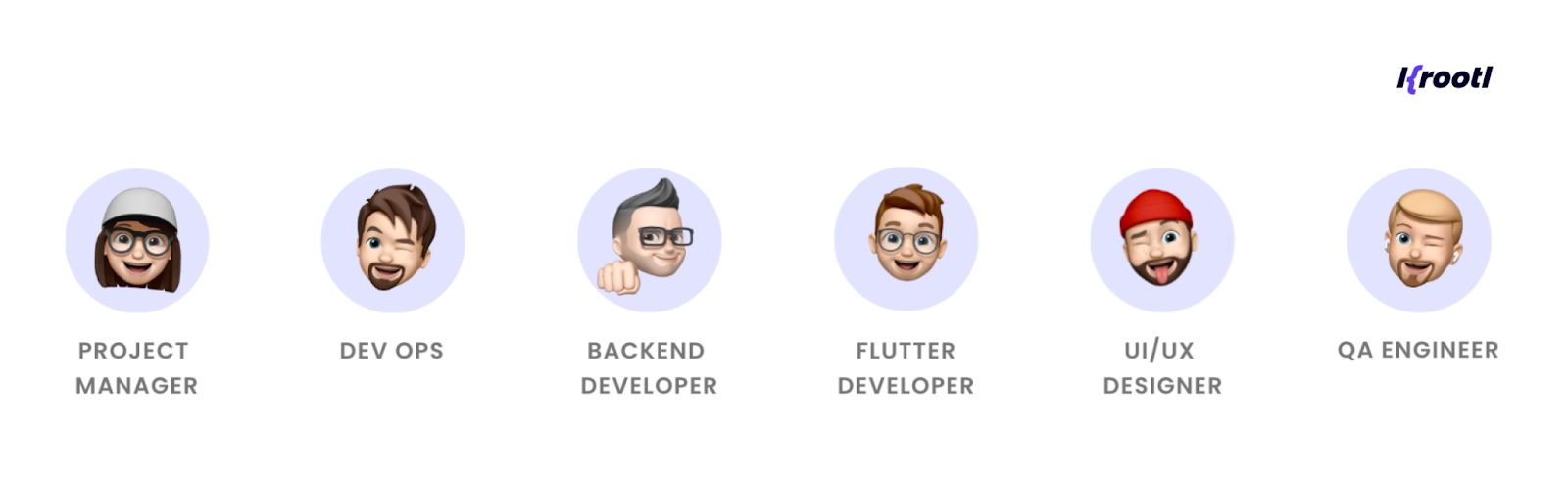
Flutter apps are rarely built by a single person. Even relatively small products benefit from a well-balanced Flutter app development team that can deliver efficiently, make sound technical decisions, and adapt as requirements evolve.
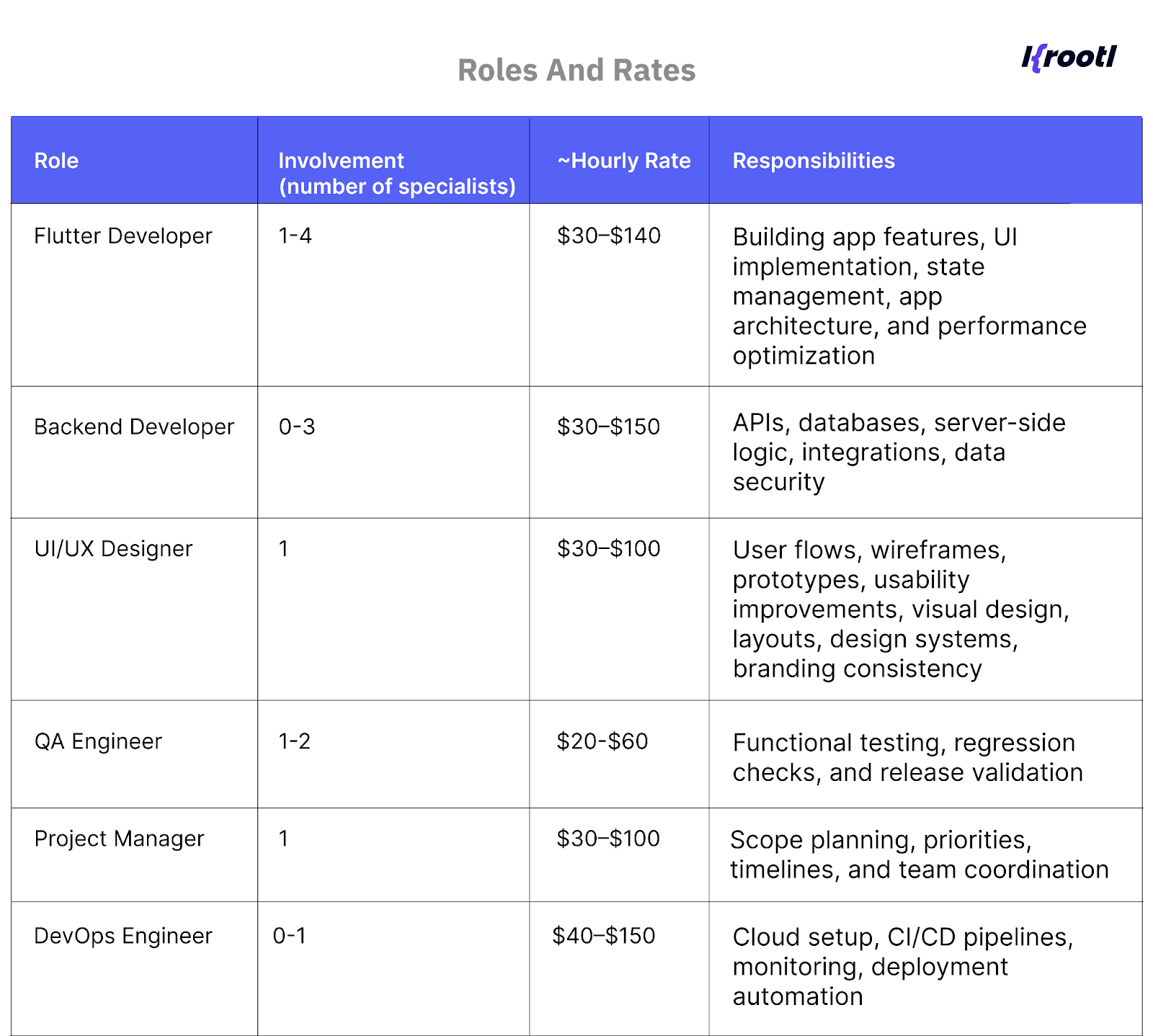
Typical Roles in a Flutter App Development Team
Flutter app development teams are flexible by nature. The exact composition depends on product complexity, backend needs, and quality expectations. Some roles may be involved part-time or combined, especially at early stages.
Below is a typical breakdown of roles, responsibilities, and approximate hourly ranges. These numbers are meant to explain how costs are distributed, not to serve as fixed pricing.
Rates mainly vary based on team experience and geographic location.
When Roles Can Be Combined
One of the advantages of Flutter app development is that teams don’t need to be large from day one.
In simpler apps and MVPs, responsibilities are often combined:
- Flutter developer covering backend needs
When apps rely on backend-as-a-service solutions like Firebase, Flutter developers can often handle authentication, basic data storage, and simple server logic without a dedicated backend engineer. - Testing is handled within the development flow
Early-stage products often rely on developer-led testing and release checks, with dedicated QA added later as the product grows and complexity increases. - DevOps involvement only when complexity requires it
Managed cloud services can significantly reduce infrastructure overhead. Dedicated DevOps roles are usually introduced when custom infrastructure, scalability, or enterprise-grade reliability becomes necessary.
This gradual scaling approach helps control Flutter app development cost without sacrificing quality.
How Developer Rates Influence Flutter App Development Cost
Flutter developer rates vary based on experience, responsibility, and expected level of ownership.
Junior developers may have lower hourly rates, but they often require more guidance and longer timelines, especially when dealing with complex features or architectural decisions. Senior engineers typically work faster, anticipate edge cases earlier, and make decisions that reduce technical debt and long-term maintenance effort.
From a budgeting perspective, higher hourly rates do not automatically mean higher total cost. Smaller teams with strong experience and clear ownership often deliver more efficiently than larger teams with fragmented responsibilities.
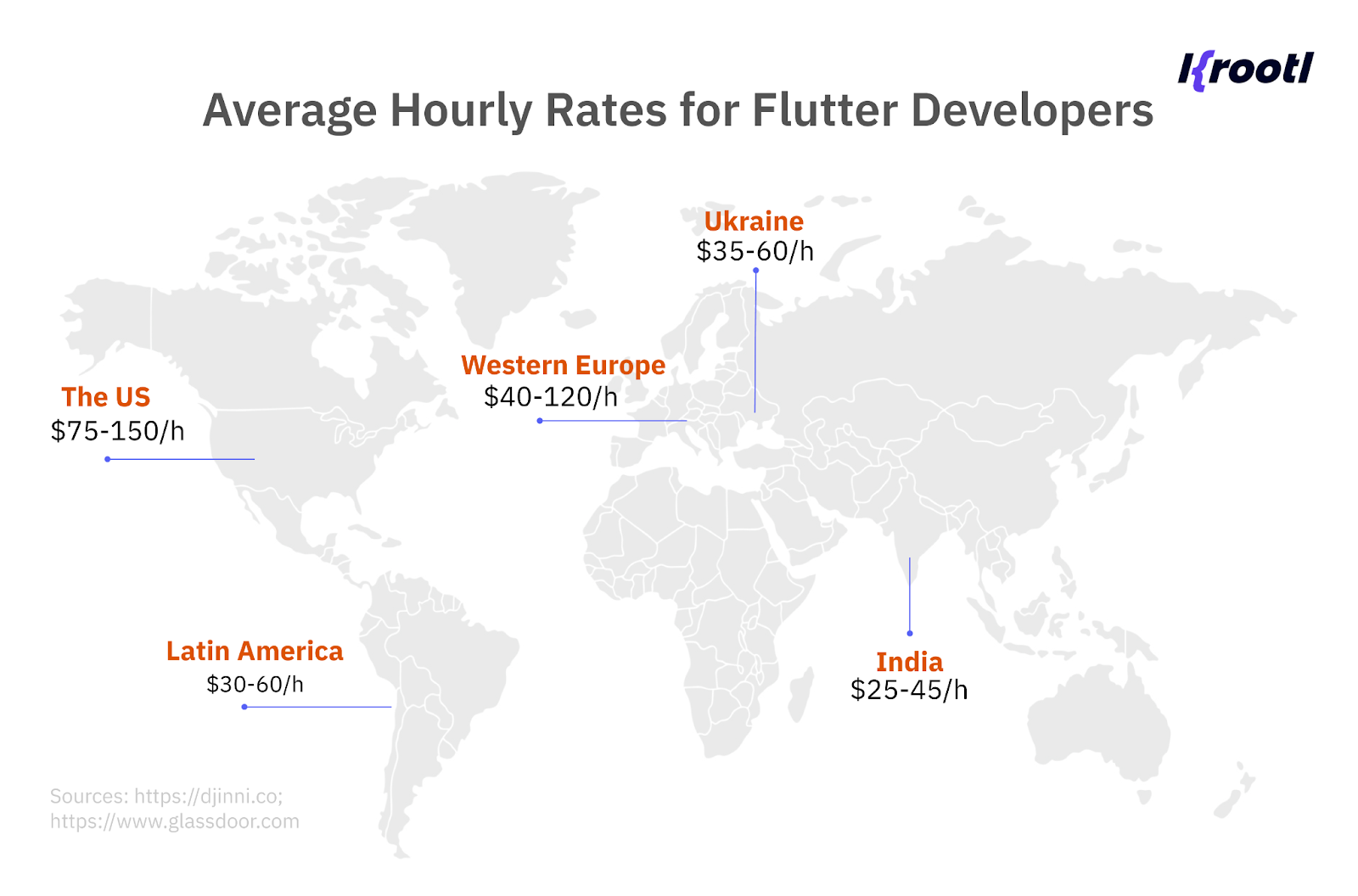
Geographic Location and Developer Rates
Another important cost factor is where the development team is based.
Flutter app development rates vary widely across regions; the same scope can result in different budgets depending on whether a team operates in North America, Western Europe, Eastern Europe, Latin America, or Asia.
That said, cost is not defined by geography alone. It is also influenced by:
- team maturity and delivery process
- communication quality and product ownership
- depth of engineering decisions made early on
- how much rework happens during development
In practice, the most reliable results usually come from teams that balance reasonable rates with strong delivery discipline, especially for products expected to scale.
Why Team Setup Matters
Team structure affects far more than just cost. It directly influences:
- development speed
- communication efficiency
- ability to adapt to changing requirements
- long-term product stability
In practice, Flutter app development cost is shaped not only by rates but by how effectively a team can turn scope into a reliable, scalable product.
Hidden and Ongoing Costs to Plan For
When estimating Flutter app development cost, it’s easy to focus on the initial build. In reality, a meaningful part of the investment happens after the app goes live.
These costs aren’t hidden by design - they’re simply easy to overlook during early planning. Understanding them upfront helps teams avoid surprises and plan a more realistic long-term budget.
Maintenance and Continuous Improvement
Once a Flutter app is in production, it requires ongoing care to remain stable and relevant.
This usually includes:
- fixing issues discovered after launch
- adapting to new iOS and Android versions
- applying security updates
- making small improvements based on user feedback
Maintenance doesn’t always mean constant development, but most products allocate a recurring budget to keep the app healthy and evolving over time.
Infrastructure, Services, and Operational Costs
Most Flutter apps rely on cloud infrastructure and third-party services that generate ongoing expenses.
These typically scale with usage, meaning costs grow alongside your user base , which is expected and healthy, but should be planned for.
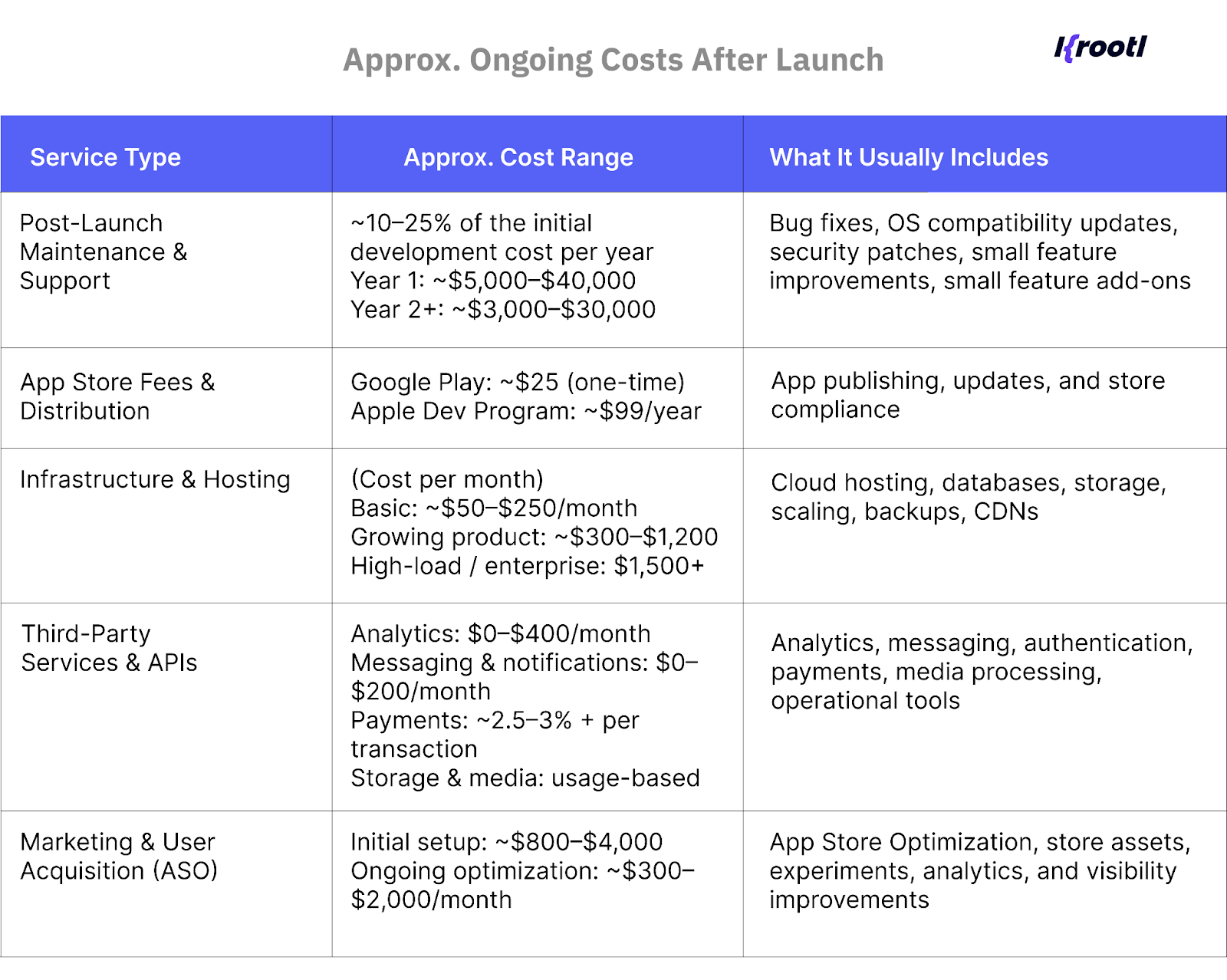
Typical Ongoing Costs After Launch (Approximate)
The table below outlines common post-launch costs Flutter app owners encounter. The ranges are indicative, meant to help with planning rather than define exact budgets.
Compliance and Legal Requirements
Some products operate in regulated environments where compliance is part of ongoing operations.
Depending on the industry and target markets, this may involve:
- data protection and privacy requirements
- periodic security reviews or audits
- legal documentation and policy updates
These costs often grow over time as products scale or expand into new regions, and should be considered part of the long-term cost picture.
How to Think About Ongoing Costs
Not every app will incur all of these costs from day one. Early-stage products typically sit closer to the lower end of the ranges, while more mature apps naturally move upward as usage and complexity increase.
Planning for these expenses early helps teams:
- avoid rushed decisions after launch
- prioritize improvements more effectively
- align development pace with business growth
Once ongoing costs are accounted for, Flutter app development becomes easier to treat as a sustainable, long-term investment rather than a one-time expense.
How to Optimize Flutter App Development Costs
Optimizing Flutter app development costs is less about cutting scope and more about making the right decisions at the right time. Teams that invest early in clarity, process, and technology choices usually spend less overall and move faster.
Here are the most effective ways to keep Flutter app development efficient and predictable.
1. Invest in Discovery and Define the MVP Clearly
The most cost-effective Flutter projects start with a solid discovery phase.
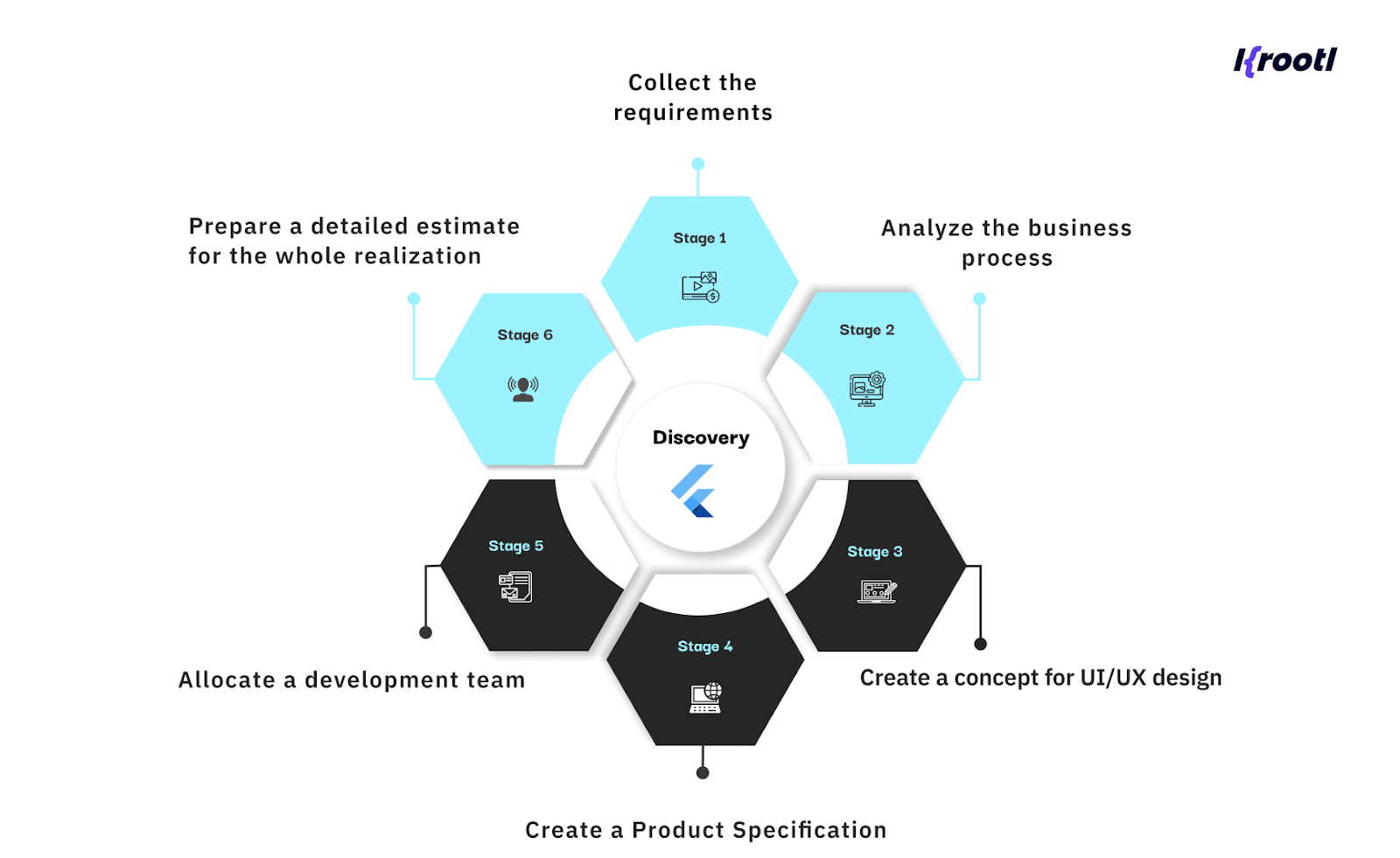
Spending time upfront to define:
- core user problems
- essential features
- clear success criteria
This helps avoid building unnecessary functionality later. A well-defined MVP keeps development focused on what actually delivers value, reduces rework, and makes estimation far more accurate.
Skipping discovery often leads to scope creep , which is one of the biggest drivers of unexpected cost.
2. Leverage Flutter’s Prebuilt Components and Packages
Flutter offers a rich ecosystem of prebuilt components and packages that can significantly reduce development effort.
Cost efficiency improves when teams:
- use established Flutter packages instead of building everything from scratch
- rely on Material Design 3 and Cupertino components for faster UI development
- reuse shared UI and logic across platforms
In practice, this approach can reduce UI development effort by 30–40% and increase code reuse across iOS and Android to 85–95%, minimizing platform-specific bugs and duplicated work.
3. Use Agile Development to Stay Flexible
Agile development is one of the most effective cost-control mechanisms in Flutter app development.
Working in short iterations allows teams to:
- validate features early
- adjust priorities based on real feedback
- avoid investing heavily in features that don’t perform as expected
Instead of aiming for perfection upfront, agile teams focus on continuous delivery and improvement, which usually leads to better outcomes at a lower total cost.
4. Make Smart Technology Stack Choices
Technology decisions have long-term cost implications.
For many products, backend-as-a-service solutions such as Firebase can reduce first-time development effort by 50–70%, especially for authentication, data storage, and real-time updates. In simpler apps, these responsibilities can often be handled directly by Flutter developers, without involving a dedicated backend engineer.
The key is choosing technologies that balance short-term speed with long-term maintainability, and avoiding overengineering before it’s necessary.
5. Outsource When It Makes Sense
Outsourcing can be a cost-effective option when done thoughtfully.
Experienced Flutter app development agencies or dedicated teams can:
- ramp up quickly
- bring established processes
- reduce trial-and-error costs
Outsourcing works best when requirements are clear and ownership is well-defined. Rather than replacing internal expertise, it often complements it , especially for startups or teams without in-house Flutter experience.
Why Cost Optimization Is a Continuous Process
Optimizing Flutter app development cost isn’t a one-time step , it’s an ongoing strategy.
Teams that combine clear discovery, smart reuse, agile delivery, and the right team model tend to build faster, spend more predictably, and scale more confidently.
Wrapping Up
Flutter app development cost can’t be defined by a single average number. It depends on product scope, design depth, backend complexity, and team setup.
As a rough reference, simple Flutter apps typically start around $12,000–$45,000, while larger, enterprise-grade products can reach $90,000–$250,000+. Most real-world projects sit somewhere in between, shaped by the decisions made early in the process.
Flutter enables efficient cross-platform development, but predictable cost comes from clear scoping, pragmatic technology choices, and an iterative approach rather than trying to build everything upfront.
How Krootl can help with your Flutter application development
At Krootl, we focus on solving product problems rather than applying one-size-fits-all solutions. We are a certified Flutter development agency with over 8 years of hands-on experience building and maintaining Flutter applications.
As a boutique team, we work closely with each project and adapt our approach to the product’s stage and constraints. Our experience spans domains where structure, reliability, and long-term thinking matter most, including finance, education, wellness, logistics, and healthtech.
Our goal is to help teams make informed technical and product decisions, avoid unnecessary complexity early on, and build solutions that scale sensibly over time.
Next Steps
If you’re planning a Flutter app and want to understand how these cost ranges apply to your specific idea, you can apply for a free discovery session.
A short conversation is often enough to clarify scope, highlight potential risks, and outline a realistic development path.