Healthcare App Development in 2026: Types, Costs, Features, and Compliance
From booking appointments and accessing medical records to virtual consultations and remote patient monitoring, digital healthcare services have become part of everyday life. Patients expect the same level of convenience from healthcare providers as they do from banking, shopping, and other digital services.
As a result, healthcare providers, startups, and medical organizations are increasingly investing in healthcare app development to improve patient experiences, streamline operations, and expand access to care.
Whether you're building a health app, telemedicine platform, patient portal or remote monitoring system, choosing the right development approach is critical.
At Krootl, we help businesses turn healthcare ideas into secure and user-friendly digital products through custom mobile app development. In this guide, we'll explore healthcare application development, the most common healthcare app types, essential features, compliance requirements, development costs, and key considerations before building a healthcare solution.
What Is Healthcare App Development?
Healthcare app development is the process of building digital products that help patients, healthcare providers, and medical organizations deliver and access healthcare services more efficiently.
These solutions can serve many different purposes. A patient may use a mobile app to schedule an appointment or attend a virtual consultation. At the same time, a doctor might rely on a web platform to review medical records or monitor patients remotely. Hospitals and clinics often rely on larger healthcare systems to manage operations, staffing, and patient data across multiple departments.
As healthcare organizations continue to digitize their services, healthcare applications are becoming a key part of modern care delivery. They help improve accessibility, reduce administrative workload, support remote care, and create better experiences for both patients and healthcare professionals.
Healthcare software can take many forms, from telemedicine platforms and patient portals to remote monitoring systems and wellness applications. Understanding these different categories is the first step in determining what type of solution best fits your business goals.
Types of Healthcare Applications
Healthcare app development serves a wide range of stakeholders, from individual patients to large healthcare organizations. While functionality varies, most healthcare applications can be grouped based on who uses them and the problems they solve.
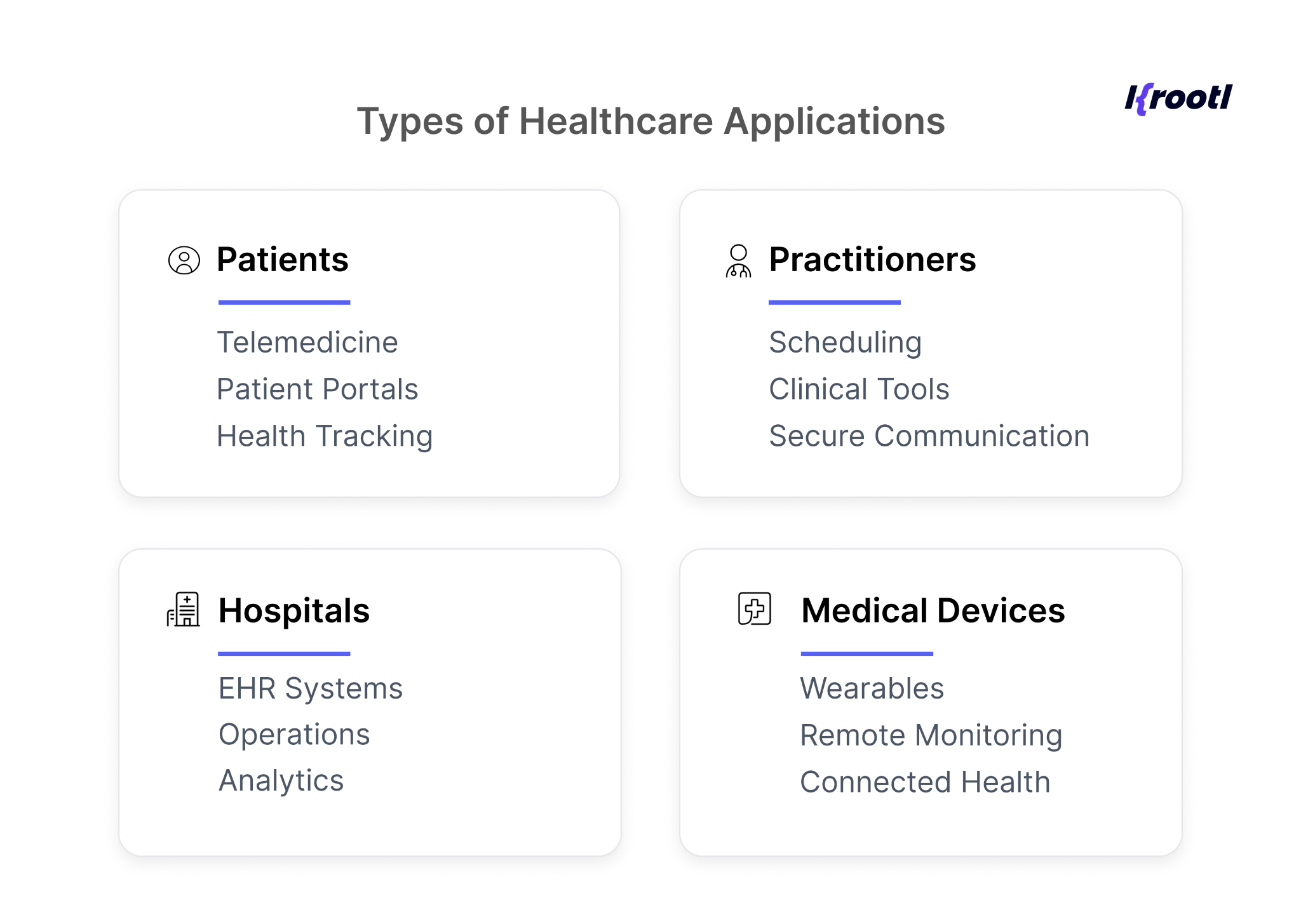
Healthcare Apps for Patients
These applications are designed to help people access healthcare services, manage their health, and stay connected with providers.
Examples:
- Telemedicine apps
- Patient portals
- Personal health records
- Medication reminder apps
- Appointment booking apps
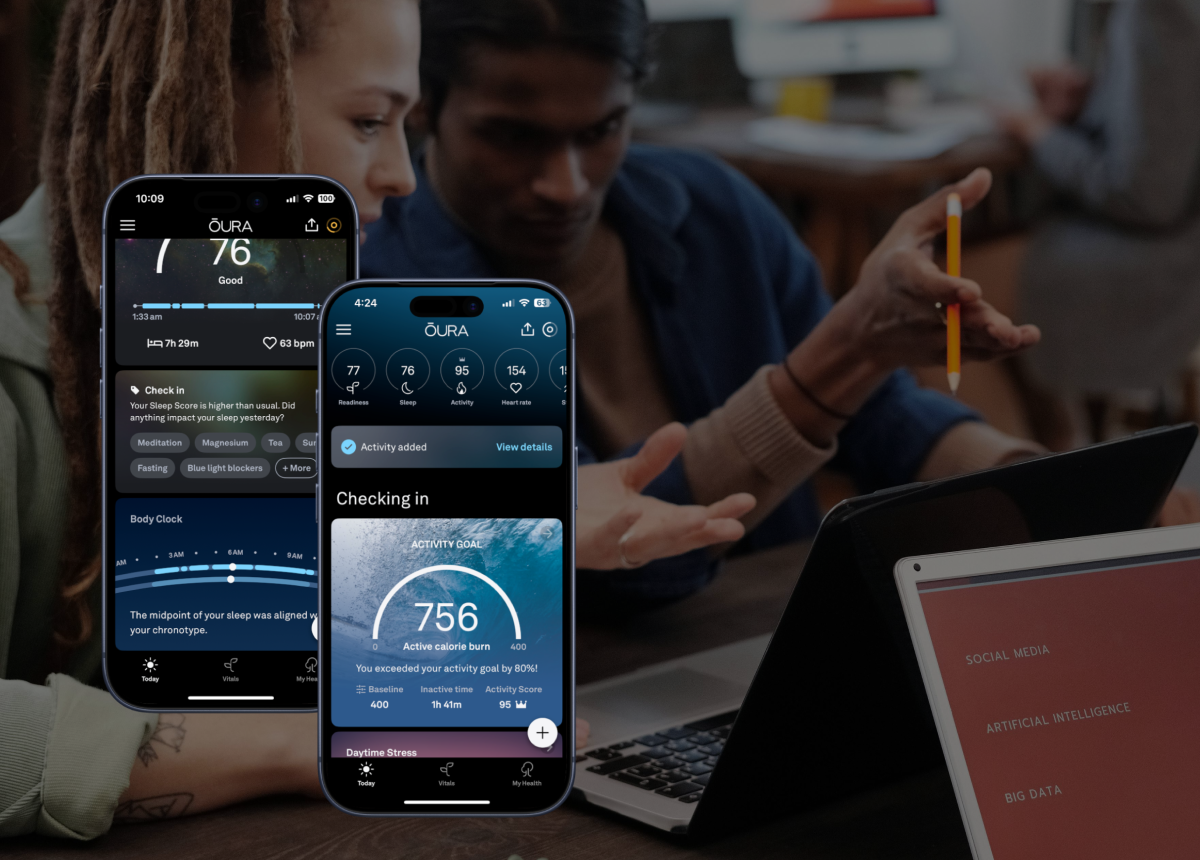
- Health tracking apps
Common benefits:
- Convenient access to healthcare
- Better treatment adherence
- Improved patient engagement
Healthcare Apps for Practitioners
Healthcare professionals rely on digital tools to improve decision-making, streamline communication, and manage patient care more effectively.
Examples:
- Clinical decision support systems
- Telemedicine platforms
- Appointment management systems
- Medical training platforms
- Secure messaging solutions
Common benefits:
- Reduced administrative workload
- Faster access to patient information
- Better care coordination
Healthcare Software for Hospitals and Clinics
Hospitals and healthcare organizations often require enterprise-grade systems that support operations across multiple departments.
Examples:
- EHR and EMR systems
- Hospital management software
- Scheduling platforms
- CRM systems
- Inventory management solutions
- Laboratory management systems
Common benefits:
- Centralized operations
- Improved workflow efficiency
- Better visibility across departments
Healthcare Solutions for Medical Device Companies
Modern medical devices rarely operate as standalone products. Software plays a critical role in collecting, visualizing, and analyzing patient data.
Examples:
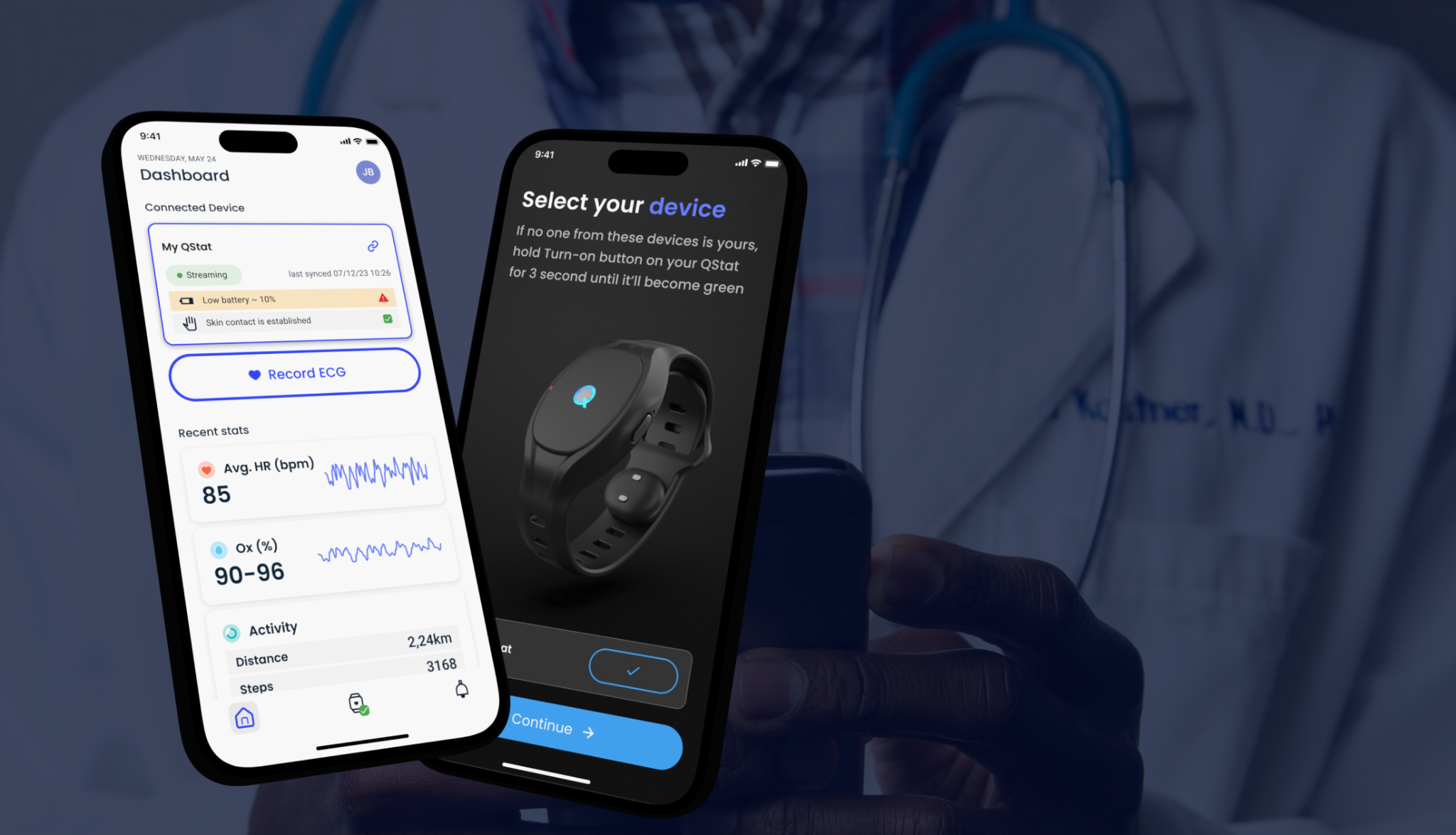
- Wearable companion apps
- Remote patient monitoring platforms
- ECG viewers
- Vital sign tracking solutions
- Connected health ecosystems
Common benefits:
- Real-time data collection
- Improved patient monitoring
- Enhanced product value
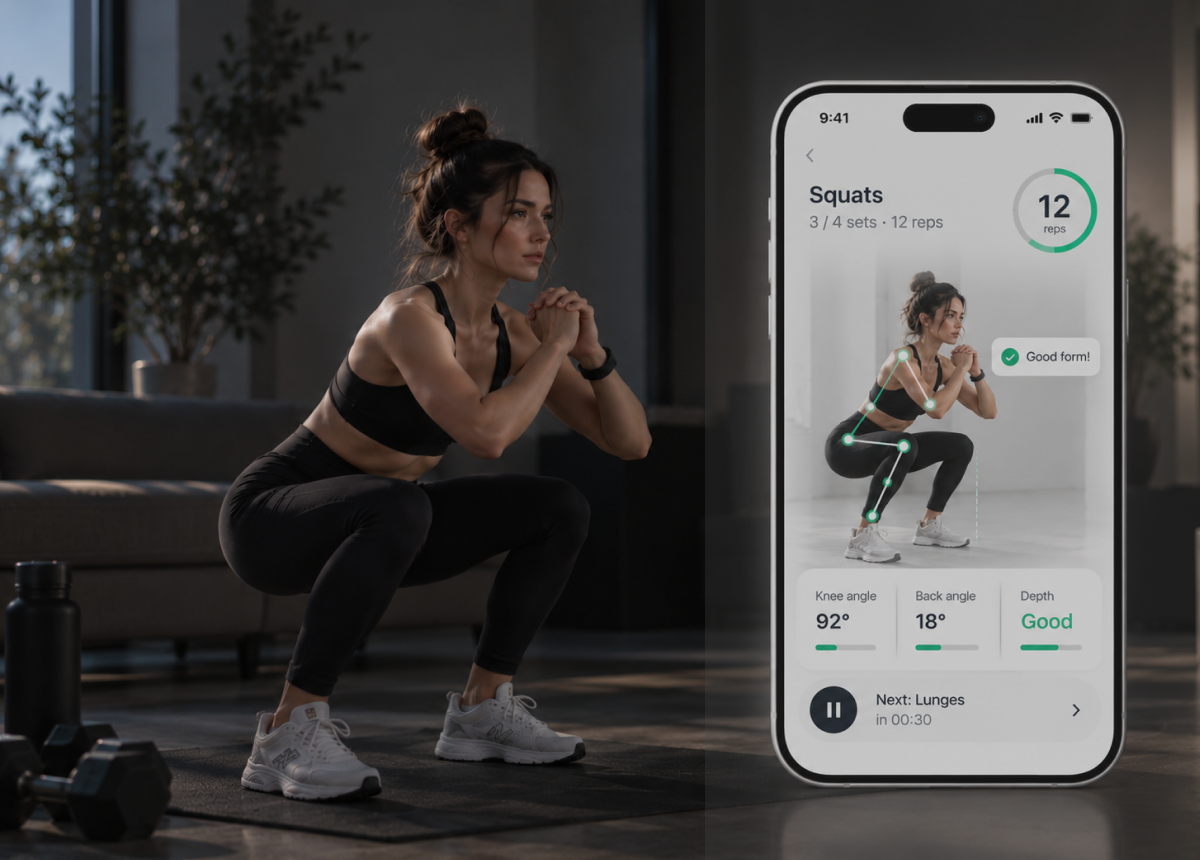
Fitness & Wellness Applications
While fitness apps are often considered a separate category, they have become an important part of the broader digital health ecosystem. Many healthcare organizations, insurers, and wellness brands use these solutions to promote preventive care and healthier lifestyles. We recently explored this topic in more detail in our guide to fitness app development, where we cover the key features, development process, and business considerations behind successful wellness applications.
Examples:
- Fitness tracking apps
- Workout planning platforms
- Nutrition apps
- Sleep tracking solutions
- Mental wellness applications
Common benefits:
- Increased user engagement
- Preventive health support
- Healthier daily habits
Now that we've explored the different types of healthcare applications, the next question is: why are organizations investing in digital health solutions in the first place?
From improving patient experiences to reducing administrative overhead, healthcare apps help solve many of the challenges that providers, clinics, and healthcare businesses face every day.
Why Businesses Invest in Digital Health App Development
Whether you're running a private clinic, hospital, telemedicine startup, or wellness platform, delivering quality care involves much more than treating patients. Healthcare organizations also need to manage appointments, communication, medical records, compliance requirements, and day-to-day operations efficiently.
At the same time, patients expect healthcare services to be as convenient and accessible as the other digital products they use every day.
This is one of the main reasons why healthcare providers, clinics, hospitals, and startups continue investing in digital health solutions.
Common challenges include:
- Long appointment wait times
- Administrative overload and paperwork
- Limited access to healthcare services
- Poor communication between patients and providers
- Disconnected systems and data silos
- High operational costs
These challenges don't just affect healthcare providers; they directly impact patient satisfaction and overall quality of care.
By investing in healthcare app development, organizations can simplify everyday operations, improve access to care, and create a better experience for both patients and healthcare professionals.
Some of the key benefits include:
Improved Patient Experience and Retention
Patients increasingly expect digital-first healthcare experiences. Mobile and web applications make it easier to book appointments, access medical information, communicate with providers, and receive care remotely.
For healthcare organizations, this often translates into higher patient satisfaction, stronger retention, and improved loyalty.
Operational Efficiency and Cost Reduction
Many administrative processes can be automated through healthcare applications, including appointment scheduling, patient onboarding, document management, and communication workflows.
This reduces manual work, minimizes errors, and allows healthcare professionals to spend more time focusing on patient care rather than repetitive administrative tasks.
Expanded Access to Care
Telemedicine and digital health solutions allow organizations to reach patients beyond physical locations. This creates opportunities to serve remote populations, offer virtual consultations, and increase appointment capacity without opening additional facilities.
Continuous Patient Monitoring and Better Outcomes
One of the biggest advantages of digital health app development is the ability to monitor patients outside traditional clinical settings. Through wearable devices, connected medical equipment, and remote patient monitoring platforms, healthcare providers can track vital signs, identify potential issues earlier, and intervene when necessary.
This is particularly valuable for patients with chronic conditions, cardiac diseases, diabetes, or those recovering after treatment, helping improve outcomes while reducing unnecessary hospital visits.
New Revenue Opportunities
Healthcare applications can create entirely new service models, including telemedicine consultations, subscription-based wellness programs, remote monitoring services, and digital treatment plans.
For many organizations, digital health products become both a patient care tool and an additional revenue stream.
Data-Driven Decision Making
Healthcare platforms generate valuable operational and patient data that can help organizations optimize workflows, improve service delivery, and make more informed business decisions.
As healthcare continues its digital transformation, organizations that invest in healthcare application development are better positioned to improve care delivery, increase operational efficiency, and meet the growing expectations of modern patients.
Now that we've explored why healthcare organizations invest in digital health solutions, let's look at the features that power successful healthcare applications and the functionality users expect from them.
Must-Have Features in a Healthcare App
The exact functionality of a healthcare application depends on its purpose and target audience. A telemedicine platform will have different requirements than a hospital management system or a wellness application.
However, most successful healthcare solutions include features designed for three key groups: patients, healthcare providers, and administrators.
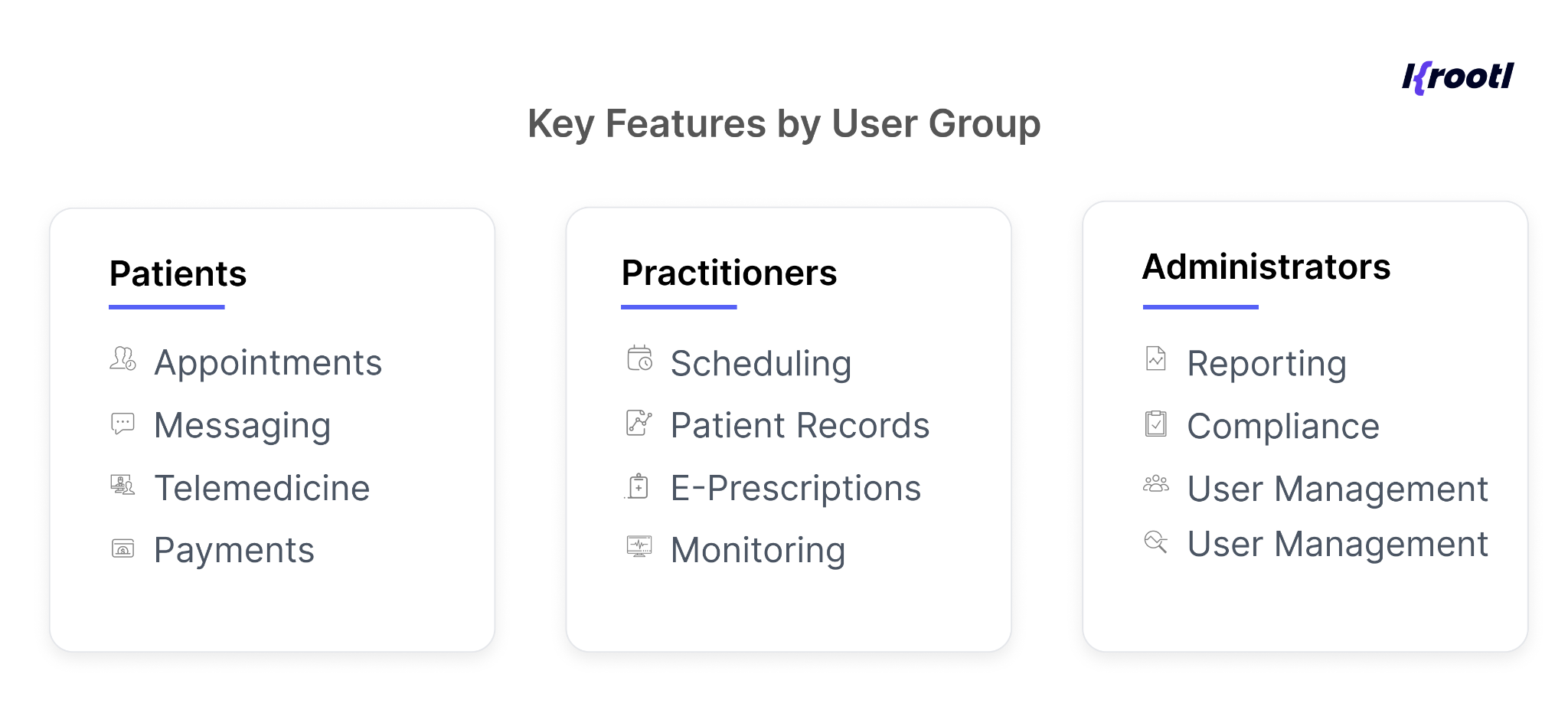
Features for Patients
Patients expect healthcare applications to make accessing care simpler and more convenient.
Common features include:
- Registration and profile management
- Appointment scheduling
- Telemedicine consultations
- Access to medical records
- Medication reminders
- Secure messaging
- Online payments
- Push notifications
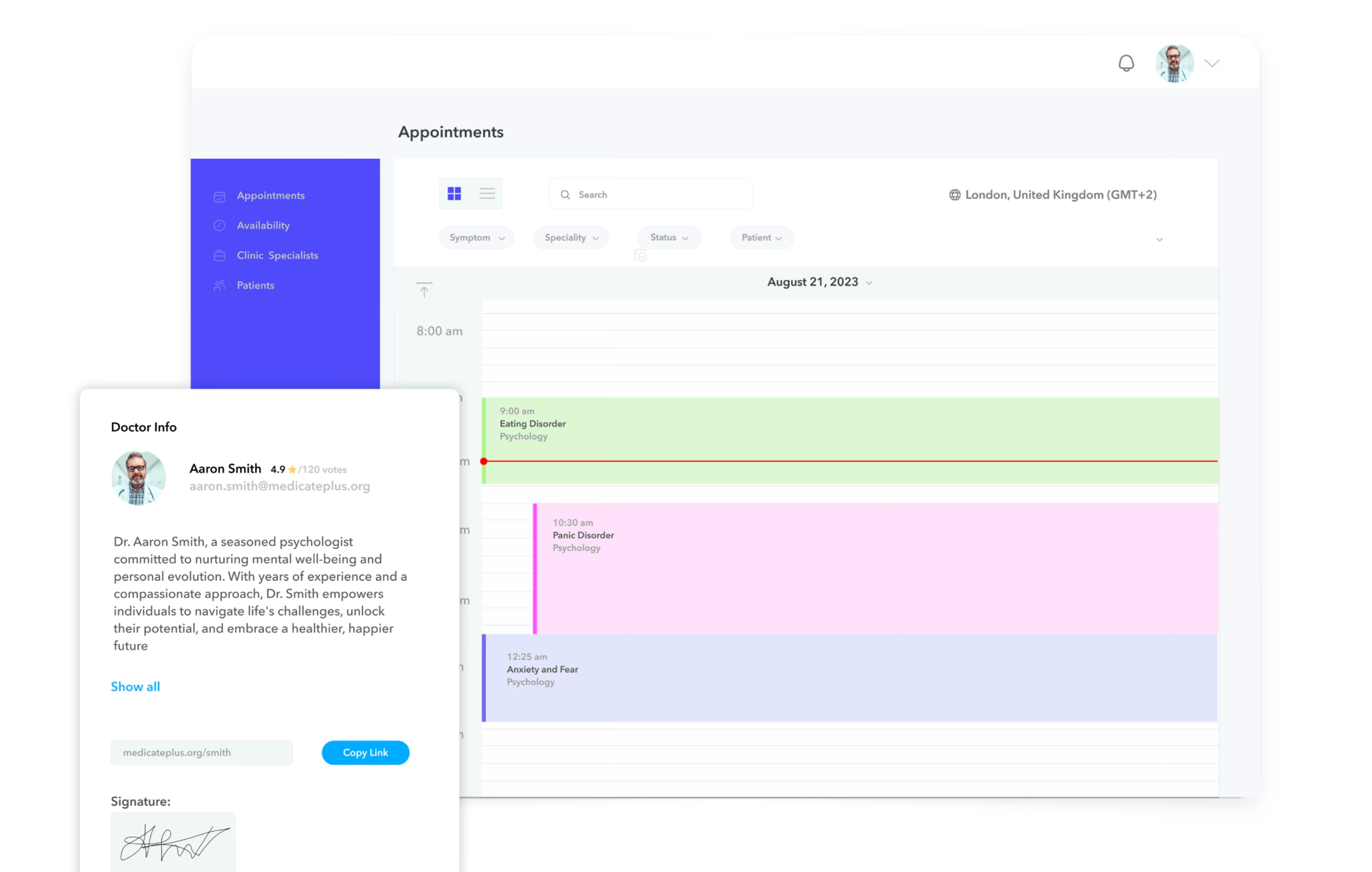
Features for Healthcare Providers
Healthcare professionals need tools that help them manage patient care efficiently while reducing administrative workload.
Common features include:
- Appointment and schedule management
- Patient record access
- Telemedicine and video consultations
- Secure communication tools
- Clinical documentation
- E-prescriptions
- Patient monitoring dashboards
Features for Administrators
Healthcare organizations also require administrative functionality to manage operations and maintain compliance.
Common features include:
- User and role management
- Reporting and analytics
- Billing and payment management
- Audit logs
- Compliance controls
- Workflow automation
- System integrations
- Third-party integrations (EHR, EMR, payment systems, wearable devices)
Features for Advanced Digital Health Solutions
As healthcare technology evolves, many organizations are expanding beyond traditional functionality.
Examples include:
- Remote patient monitoring
- Wearable device integration
- AI-powered assistants
- Clinical decision support systems
- Predictive analytics
- Population health management
Healthcare Mobile App Development vs Healthcare Web App Development
While features define what a healthcare application can do, another important decision is how users will access it. Should you build a mobile application, a web platform, or both?
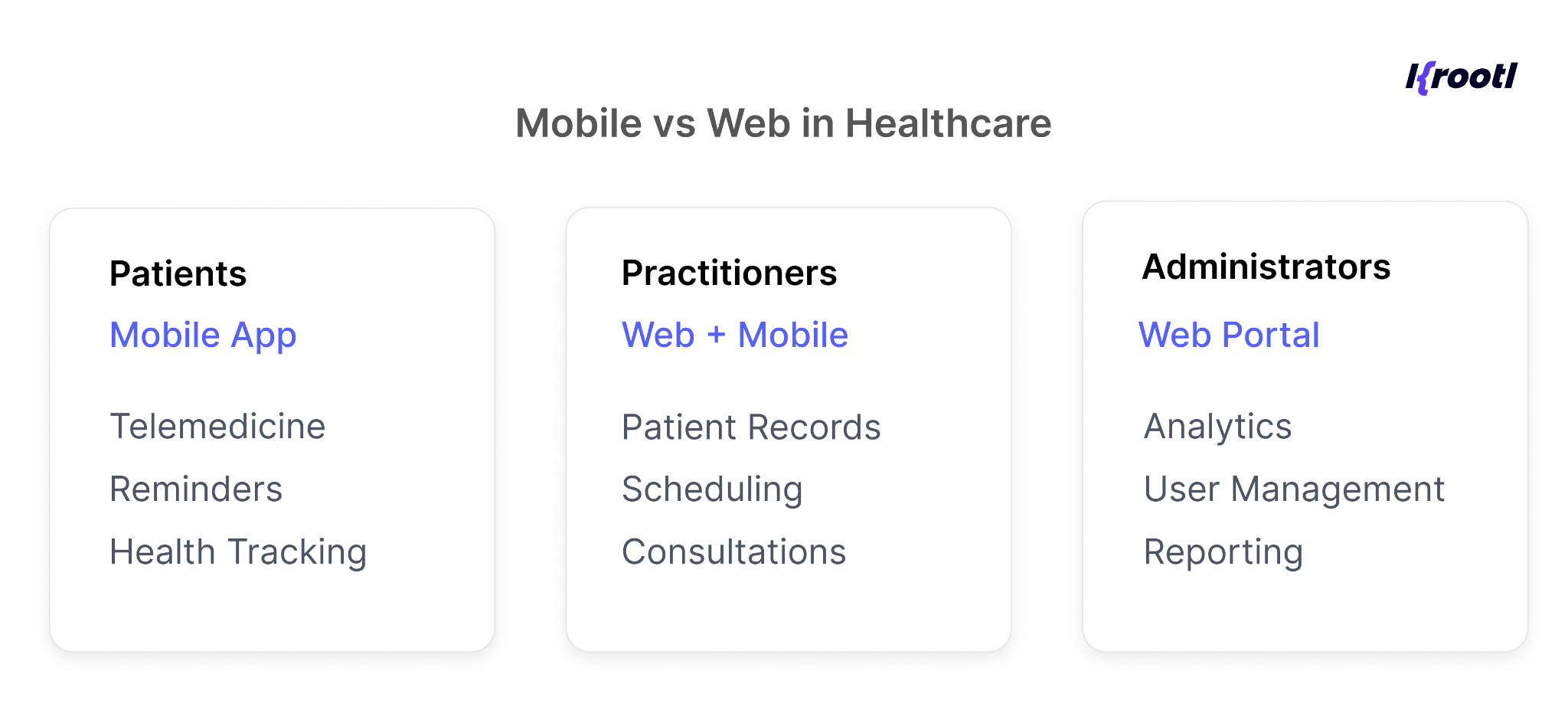
The answer depends on who will use the solution and how they interact with it. In many cases, healthcare organizations benefit from a combination of mobile and web experiences, each serving different user groups and business needs.
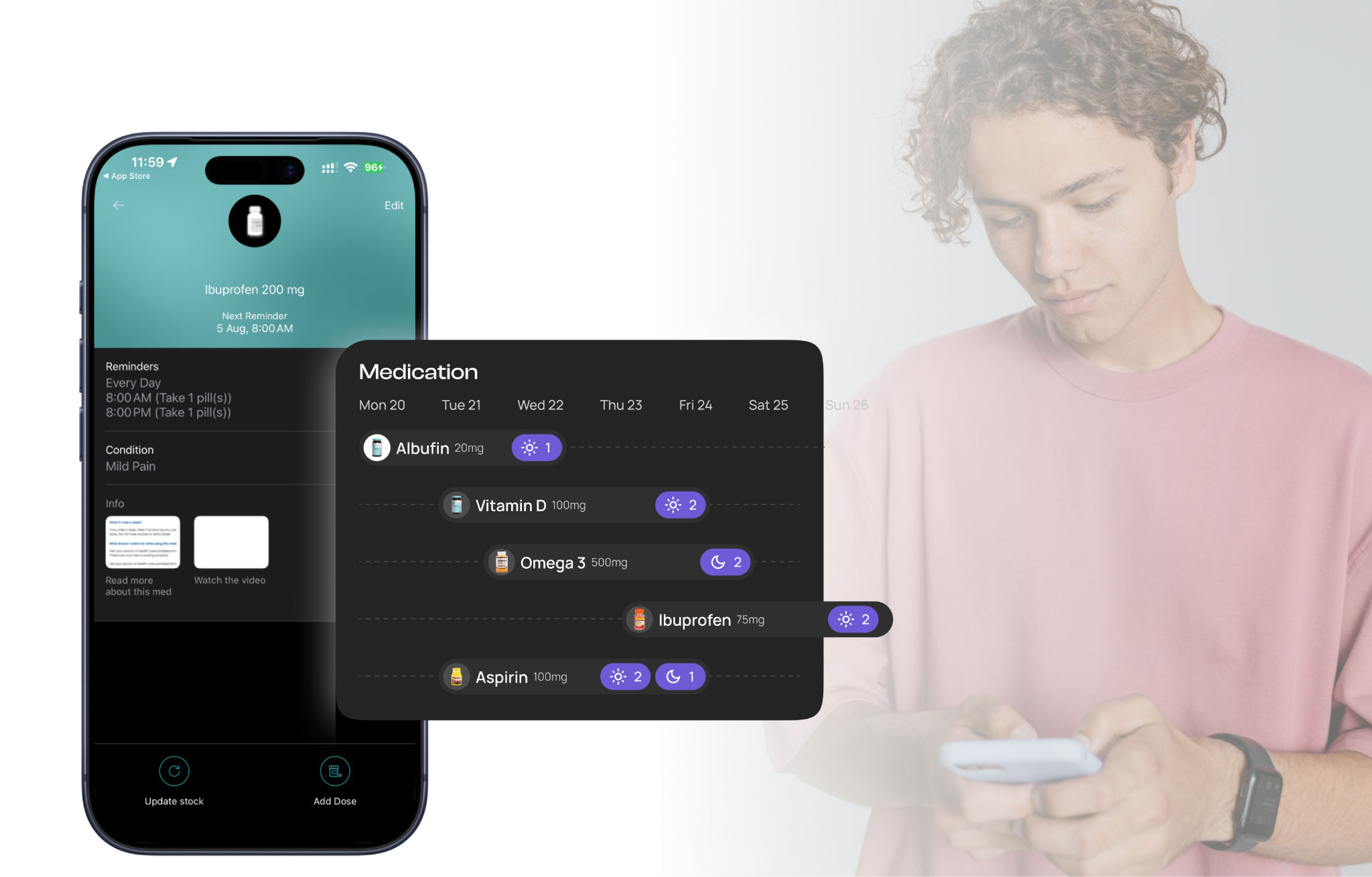
Healthcare Mobile App Development
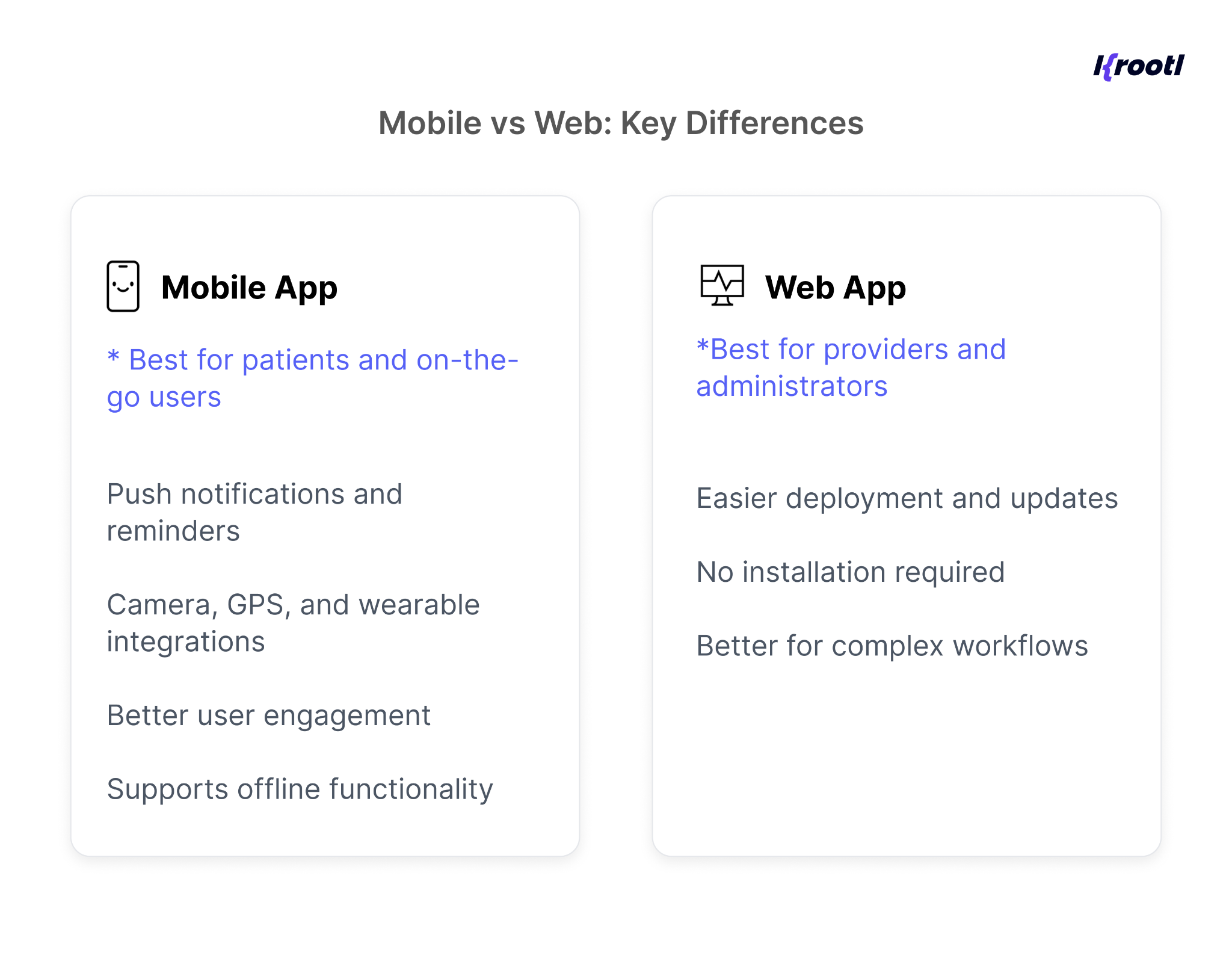
Mobile applications are ideal when users need quick access to healthcare services, real-time notifications, or functionality on the go.
Healthcare mobile apps are commonly used for:
- Appointment scheduling
- Telemedicine consultations
- Medication reminders
- Health tracking
- Remote patient monitoring
- Wearable device integration
The biggest advantage of mobile applications is convenience. Patients can access healthcare services directly from their smartphones, receive timely reminders, and stay connected with healthcare providers wherever they are.
Healthcare Web App Development
Healthcare web applications are often designed for healthcare providers, administrators, and organizations that need access to larger datasets and more complex workflows.
Common examples include:
- Patient portals
- Hospital management systems
- EHR and EMR platforms
- Scheduling and resource management tools
- Reporting and analytics dashboards
Because web applications are accessible through a browser, they are particularly well-suited for managing day-to-day healthcare operations and handling administrative tasks.
When You Need Both
For many healthcare organizations, choosing between mobile and web isn't necessary. A combination of both often delivers the best results.
For example, a telemedicine platform may include:
- A mobile app for patients to book appointments, attend consultations, and access health information
- A web portal for doctors to manage schedules, patient records, and consultations
- An administrative dashboard for reporting, billing, and user management
This approach allows every user group to access the functionality they need through the most convenient interface.
When building a healthcare mobile application, many organizations also choose cross-platform technologies such as Flutter to launch both iOS and Android applications from a single codebase. This can help reduce development time, simplify maintenance, and accelerate time-to-market.
Choosing the right platform is an important step, but healthcare applications also come with unique requirements around security, compliance, integrations, and scalability. Before starting development, there are several factors every healthcare organization should consider.
Key Considerations and Challenges in Healthcare App Development
Building a healthcare application involves much more than designing features and writing code. Healthcare organizations handle sensitive patient information, operate under strict regulations, and often rely on multiple systems that need to work together seamlessly.
Before starting healthcare app development, there are several important factors to consider.
Regulatory Compliance
Healthcare applications often process sensitive medical and personal data, making compliance a critical requirement from day one.
Depending on your market and the type of solution you're building, you may need to comply with regulations such as:
- HIPAA (United States)
- GDPR (European Union)
- FDA requirements for certain medical software
- Local healthcare regulations
Compliance shouldn't be treated as an afterthought. It influences everything from data storage and user authentication to access controls and audit logging. We explore this topic in more detail in our guide to HIPAA compliance in software development, which covers key requirements and best practices for building secure healthcare solutions.
Data Security
Healthcare data is among the most sensitive information an organization can manage. A security breach can result in financial penalties, reputational damage, and loss of patient trust.
Modern healthcare applications should include:
- End-to-end encryption
- Secure authentication
- Role-based access controls
- Audit trails
- Secure API communication
Building security into the product from the beginning is far more effective than trying to add it later.
Integration with Existing Systems
Healthcare organizations rarely operate using a single platform.
Many applications need to connect with:
- EHR and EMR systems
- Laboratory information systems
- Payment gateways
- Telemedicine platforms
- Wearable devices and medical equipment
The complexity of these integrations can significantly impact development timelines, budgets, and ongoing maintenance requirements.
User Adoption and Experience
Even the most feature-rich healthcare application will struggle if users find it difficult to navigate.
Healthcare products often serve multiple audiences, including:
- Patients
- Doctors
- Nurses
- Administrators
Each group has different goals and workflows, making intuitive user experience and accessibility especially important.
Scalability and Future Growth
Healthcare products often start with a focused set of features and expand over time.
A telemedicine application may later introduce:
- Remote patient monitoring
- AI-powered assistance
- Wearable integrations
- Advanced analytics
Planning for future growth early can help avoid costly redesigns and system migrations later.
Successfully addressing these challenges lays the foundation for a secure, scalable, and user-friendly healthcare solution. It also creates opportunities to leverage emerging technologies that are reshaping the healthcare industry - particularly artificial intelligence.
AI in Healthcare Apps: Real-World Use Cases and Benefits
Artificial intelligence is becoming an increasingly common part of healthcare application development. While not every healthcare app requires AI, the technology is helping organizations automate routine tasks, analyze large volumes of data, and deliver more personalized care.
Rather than replacing healthcare professionals, AI is most effective when it helps them work faster, make better decisions, and spend more time focusing on patients.
Some of the most common use cases include:
Clinical Decision Support
AI can help healthcare professionals identify patterns in patient data, highlight potential risks, and support diagnostic decisions.
This allows practitioners to review information more efficiently and make informed decisions faster.
Virtual Health Assistants
AI-powered assistants can answer common questions, guide patients through onboarding, send reminders, and help with appointment management.
This reduces administrative workload while improving the patient experience.
Medical Image and Data Analysis
AI can assist in analyzing medical images, ECG recordings, and other health data, helping healthcare teams detect abnormalities that may require further attention.
Remote Patient Monitoring
When combined with wearable devices and connected health technologies, AI can continuously analyze patient data and alert healthcare providers when intervention may be needed.
This is particularly valuable for chronic disease management and post-treatment monitoring.
Personalized Healthcare Experiences
Healthcare applications can use AI to deliver more relevant recommendations, educational content, wellness plans, and treatment guidance based on a patient's needs and behavior.
Things to Consider Before Implementing AI
Like any technology, AI should solve a specific business problem rather than being added for the sake of innovation.
Before introducing AI into a healthcare application, organizations should consider:
- Data quality and availability
- Privacy and security requirements
- Regulatory compliance
- Accuracy and transparency of AI-generated recommendations
For many healthcare products, starting with a focused AI use case often delivers better results than attempting to automate everything from day one.
As AI capabilities continue to evolve, healthcare organizations have more opportunities to improve efficiency, enhance patient experiences, and deliver proactive care at scale.
Healthcare App Development Cost
The cost of healthcare app development can vary significantly depending on what you're building.
A simple patient-facing application with appointment scheduling and notifications will have very different requirements than a telemedicine platform, remote patient monitoring system, or enterprise healthcare solution integrated with multiple third-party services.
This is why there is no universal price tag for healthcare application development. The final budget depends on the product's complexity, compliance requirements, integrations, and long-term business goals.
What Influences Development Cost?
Several factors have the biggest impact on the overall project budget.
Application Complexity
The more workflows, user roles, and business logic involved, the more development effort is required.
For example, a wellness application is typically much faster to build than a healthcare platform that includes telemedicine, electronic medical records, and patient monitoring functionality.
Platform Selection
The scope of the project will vary depending on whether you're building:
- A healthcare mobile application
- A healthcare web application
- Both web and mobile platforms
Many healthcare organizations choose a combination of mobile and web experiences to serve patients, healthcare providers, and administrators through a single ecosystem.
Integrations
Healthcare applications often need to connect with external systems such as:
- EHR and EMR platforms
- Payment providers
- Telemedicine services
- Wearable devices
- Laboratory systems
The number and complexity of integrations can significantly affect both timeline and budget.
Compliance and Security Requirements
Healthcare software requires additional security measures that are rarely optional. Encryption, audit logs, role-based permissions, secure data storage, and regulatory compliance all add to the development effort but are essential for protecting sensitive patient information.
AI and Advanced Functionality
Features such as AI-powered assistants, predictive analytics, remote patient monitoring, and medical data analysis can further increase project complexity and cost.
Estimated Healthcare App Development Costs
While every project is different, the following ranges provide a realistic starting point for planning a healthcare application.
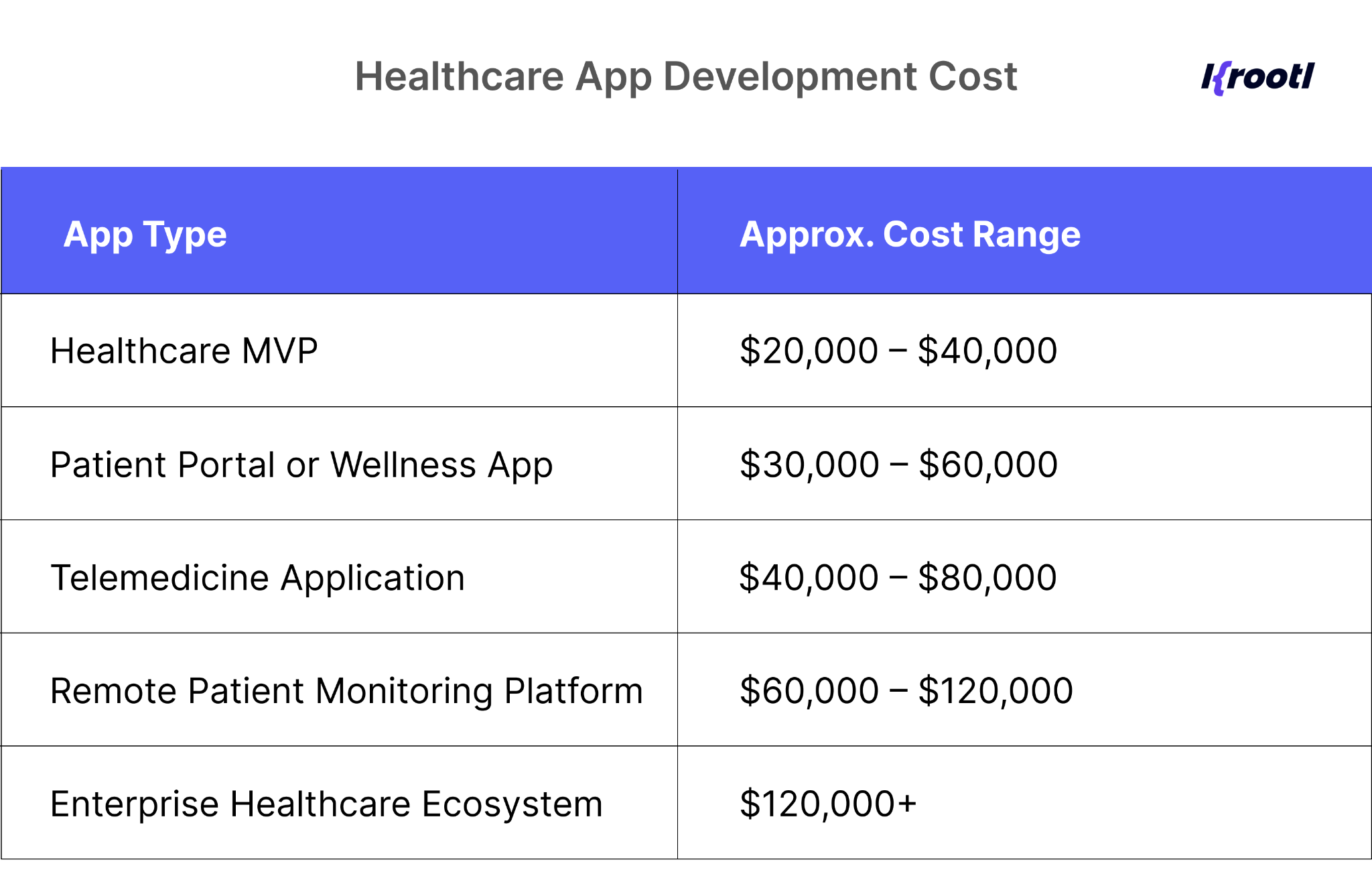
These figures should be treated as general estimates rather than fixed prices. The final healthcare app development cost depends on your specific requirements, integrations, compliance obligations, and overall project scope.
How to Reduce Development Costs
One of the most effective ways to manage development costs is to start with a focused MVP.
Rather than building every feature at once, many successful healthcare products launch with a smaller feature set, validate market demand, gather feedback, and expand gradually over time.
This approach reduces risk, shortens time-to-market, and helps ensure development resources are invested in features users actually need.
With a better understanding of costs and project scope, the next step is learning how healthcare applications are typically planned, designed, built, and launched.
How to Build a Healthcare App Step by Step
By this point, you've explored the different types of healthcare applications, key features, compliance requirements, and development costs. The next question is: what does the actual development process look like?
While every healthcare project is unique, most successful healthcare applications follow a similar development journey.
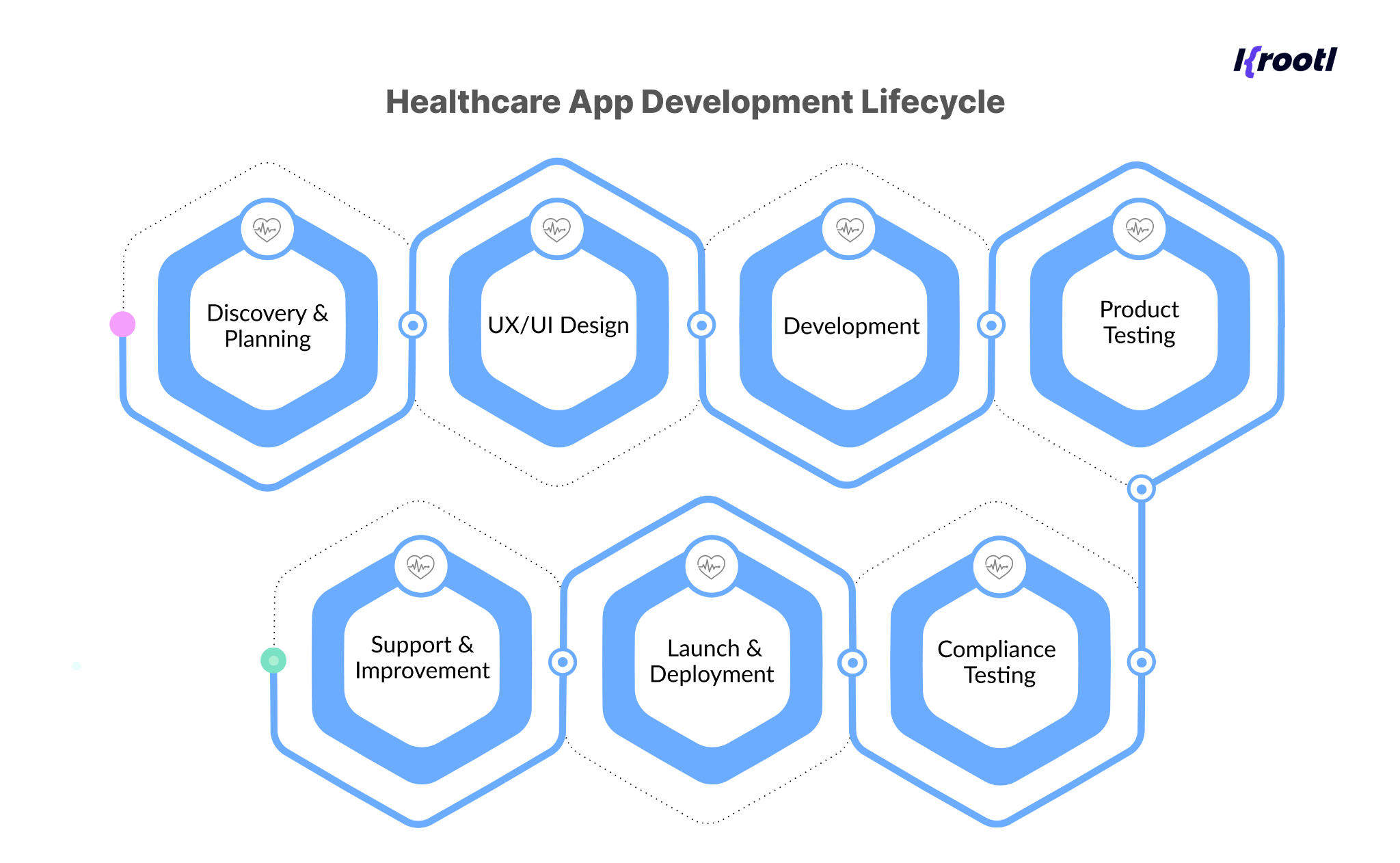
1. Discovery and Planning
Every successful healthcare application starts with a clear understanding of business goals, user needs, and regulatory requirements.
During this stage, teams typically:
- Define project requirements
- Identify target users
- Prioritize features
- Assess compliance requirements
- Create a product roadmap
Investing time in discovery helps reduce risks and avoid costly changes later in the project.
2. UX/UI Design
Healthcare applications are often used by multiple groups, including patients, doctors, nurses, and administrators. Designing an intuitive user experience is essential to ensure adoption and usability.
This phase typically includes:
- User flows
- Wireframes
- User interface design
- Interactive prototypes
3. Development
Once designs are approved, the development team begins building the application.
Depending on the project scope, this may include:
- Mobile app development
- Web app development
- Backend infrastructure
- Third-party integrations
- Security and compliance implementation
4. Product Testing and Quality Assurance
Healthcare applications must be reliable and secure. Thorough testing helps identify issues before launch and ensures the platform performs as expected.
Testing often covers:
- Functional testing
- Security testing
- Performance testing
- Cross-device compatibility
- User acceptance testing
5. Compliance Testing and Certification
For healthcare applications, standard QA is not enough. Before launch, the product also needs to be checked against the privacy, security, and regulatory requirements that apply to its target market.
Depending on the region and type of solution, this may include HIPAA, GDPR, HL7/FHIR compatibility, and other healthcare-specific regulations.
At this stage, the team verifies that patient data is stored and transmitted securely, user permissions are configured correctly, integrations behave as expected, and sensitive information remains protected across the entire system.
This step helps reduce regulatory risks and gives healthcare organizations confidence before moving into production.
6. Launch and Deployment
After testing is completed, the application is deployed to production environments and prepared for real-world use.
This stage may include:
- App Store and Google Play submission
- Cloud infrastructure deployment
- Monitoring and analytics setup
- User onboarding
7. Ongoing Support and Improvement
Launching a healthcare application is only the beginning. As user needs evolve and regulations change, ongoing updates and improvements become essential.
Post-launch activities often include:
- Security updates
- Performance optimization
- New feature development
- Compliance updates
- User feedback implementation
Healthcare applications are long-term products that evolve over time. Organizations that continuously improve their solutions are often best positioned to deliver better patient experiences and stay ahead of industry changes.
Wrapping Up
Many organizations choose custom healthcare software development to create solutions tailored to their workflows, compliance requirements, and patient experience goals. Whether you're building a telemedicine platform, patient portal, remote monitoring solution, or wellness app, success depends on balancing usability, security, compliance, and scalability.
The best healthcare products start with a clear understanding of user needs and evolve over time as the business grows.
At Krootl, we help healthcare organizations and startups build secure, scalable healthcare applications for web and mobile. If you're planning a healthcare product, we'd be happy to discuss your idea and help define the right development approach.
FAQ
How much does healthcare app development cost?
Healthcare app development costs vary depending on complexity, compliance requirements, integrations, and supported platforms. A simple healthcare MVP may start around $20,000 - $40,000, while enterprise healthcare ecosystems with EHR integrations, telemedicine, and remote monitoring can exceed $120,000.
How long does it take to develop a healthcare app?
A healthcare MVP typically takes 2 - 4 months to design and launch. More complex solutions such as telemedicine platforms, patient portals, or remote patient monitoring systems may require 6 - 12 months or longer, depending on the feature set, integrations, and compliance requirements.
What regulations should a healthcare app comply with?
Requirements depend on the target market. Healthcare applications often need to comply with HIPAA (US), GDPR (EU), and industry standards related to healthcare data security, interoperability, and privacy. Additional requirements may apply for software connected to medical devices.
Is Flutter suitable for healthcare app development?
Yes. Flutter is a strong choice for healthcare mobile app development because it allows organizations to build iOS and Android applications from a single codebase. It is particularly useful for patient portals, telemedicine apps, remote monitoring solutions, and healthcare platforms that need to launch quickly while maintaining a consistent user experience.